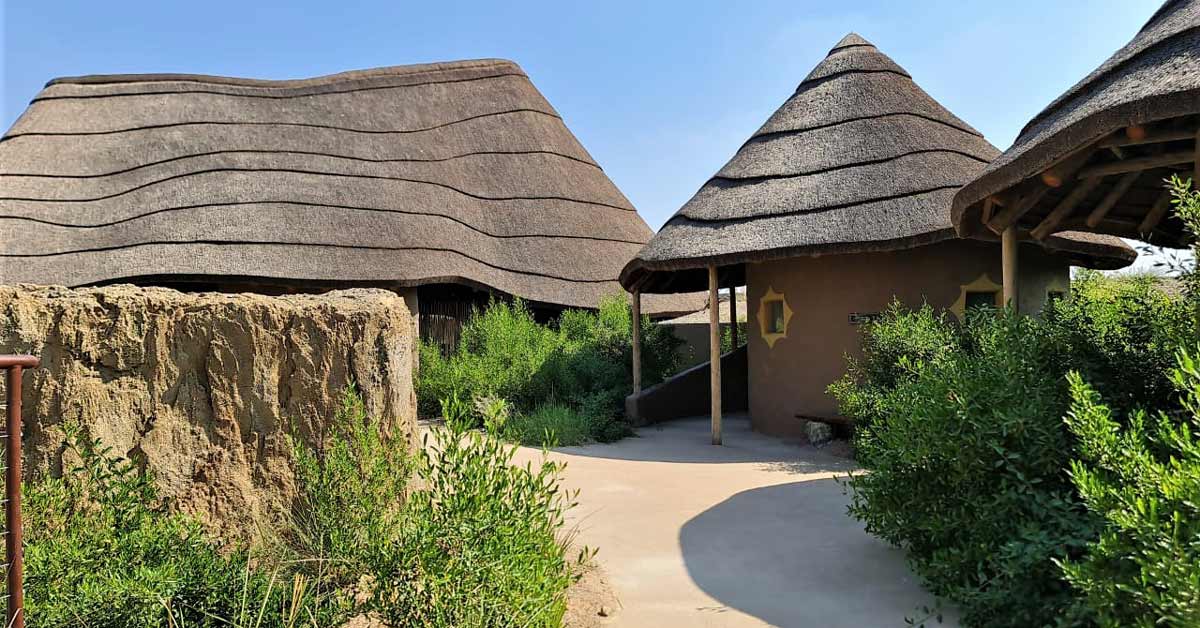
What is the art of thatching?
Thatching is the craft of building a roof from dry vegetation, such as reed, straw or grass, laid in dense, overlapping layers that shed water and insulate the space below. It is one of the oldest building crafts in the world, and it is still done largely by hand. A skilled thatcher combines an eye for material, specialist hand tools and years of practice to turn bundles of reed into a roof that is weather-tight, durable and beautiful.
That is why thatching is often called an art. No two roofs are quite the same, and the character of each one reflects the hands that made it.
A craft thousands of years old
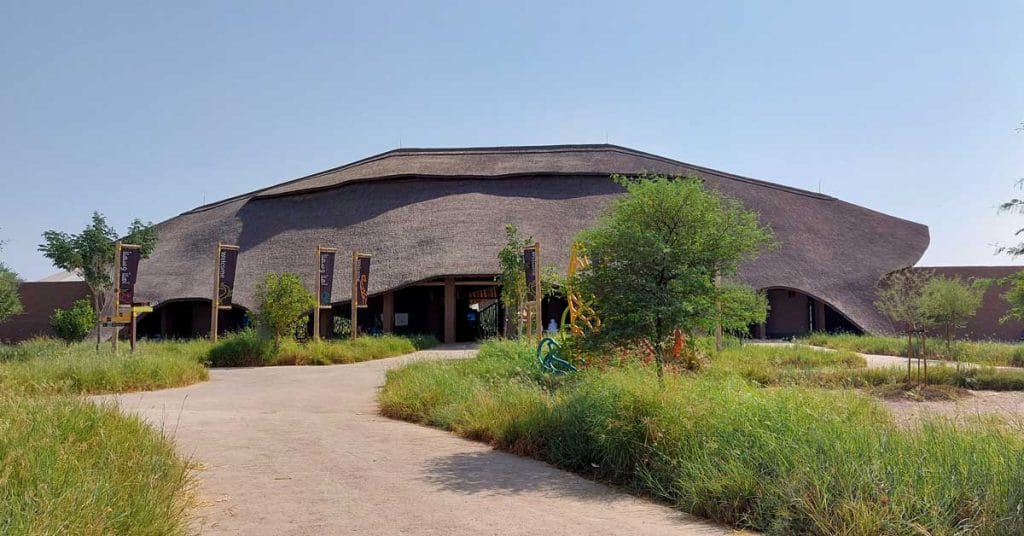
For most of human history, people roofed their homes with whatever grew nearby: reeds by rivers, straw from farms, grasses and palm leaves in warmer regions. Over centuries, those practical roofs became regional crafts with their own techniques, from long straw and combed wheat reed in England to the kaya grass roofs of Japan. Today thatch has moved from necessity to choice, valued for its natural beauty, insulation and sustainability. Explore the world's thatching traditions in our Thatching Materials Around the World series.
The material: why we choose Cape Reed
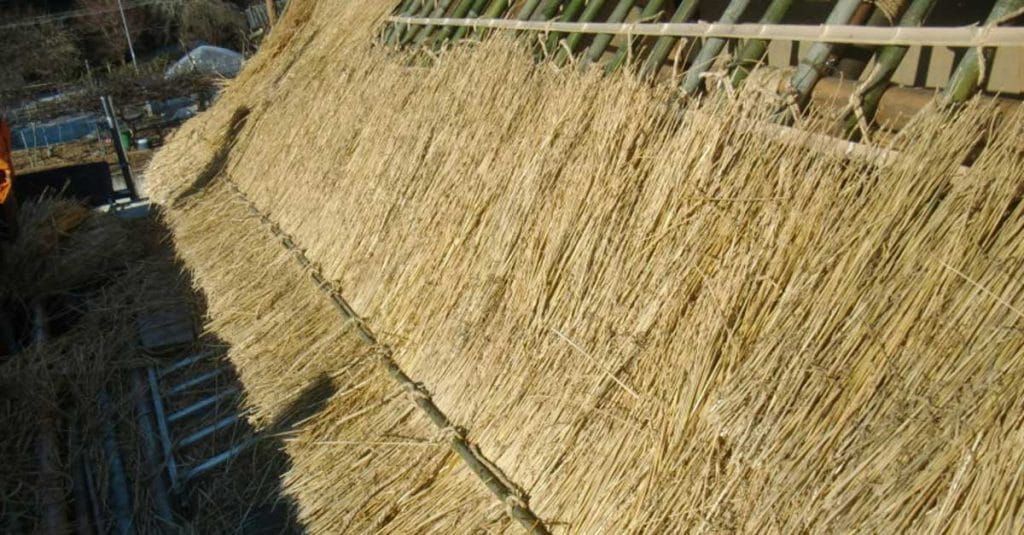
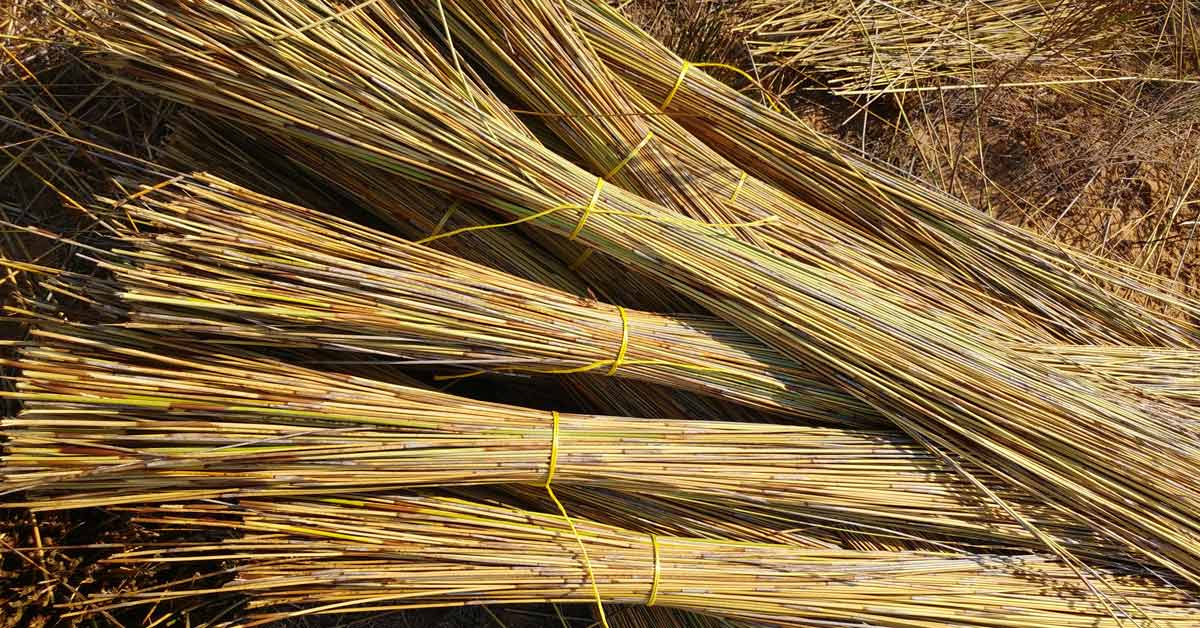
A thatcher's first skill is knowing the material. At Cape Reed we work with cape reed (Thamnochortus insignis), a hardy reed that grows only at the southern tip of Africa, in the Western Cape. Its density, structure and natural waxy outer layer make it exceptionally well suited to hot, sunny climates. Every bundle is graded, and the best reed is chosen for the most exposed parts of the roof.
The thatcher's tools
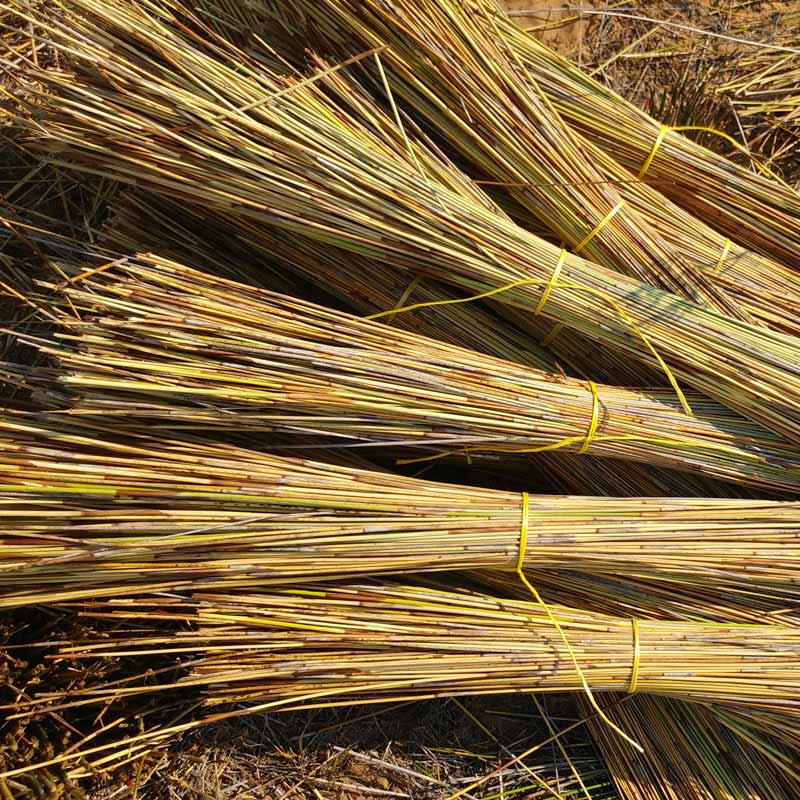
Thatching relies on a small set of traditional hand tools, many of which have barely changed in centuries:
- The leggett: a flat, ridged wooden paddle used to drive and dress the reed into place, creating the smooth, even surface of a finished roof.
- Thatching needles: long needles used to stitch or secure courses of thatch to the roof battens.
- Shears and knives: for trimming eaves, edges and the ridge to a clean, crisp line.
- Ladders and roof hooks: to work safely across a steep, curved surface.
The tools are simple. The skill is in how they are used, reading the reed, keeping courses even and judging the thickness by eye and hand.
The skills behind a thatched roof
Laying even courses
Reed is laid in overlapping courses from the eaves upward. Each course must sit at the right angle and thickness so water runs off the surface rather than into the roof.
Dressing the surface
Using the leggett, the thatcher beats the reed up into position, tightening the layers and creating the dense, textured surface that gives thatch its distinctive look.
Shaping curves and details
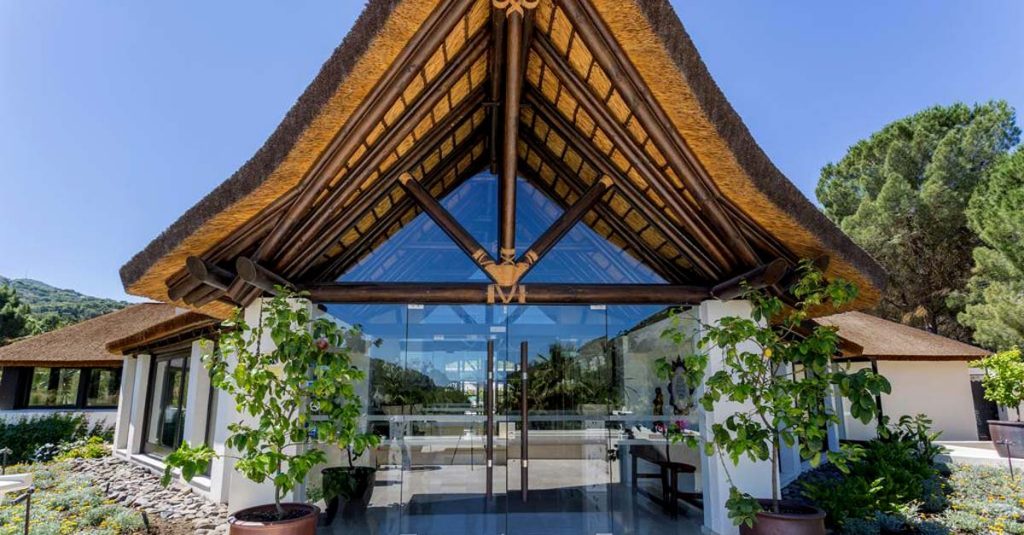
Round gazebos, valleys and gabled entrances demand real craftsmanship. Keeping courses flowing smoothly around a curve is one of the hardest skills to master.
Finishing the ridge
The ridge crowns the roof and protects its most exposed point. It is often where a thatcher's skill shows most clearly.

Why mastery takes years
Thatching cannot be learned from a manual. It takes years of hands-on work alongside experienced thatchers to develop a feel for the material and to produce roofs that are consistently beautiful and weather-tight. That experience is what separates a roof that lasts from one that wears out early.
The art in the finished roof
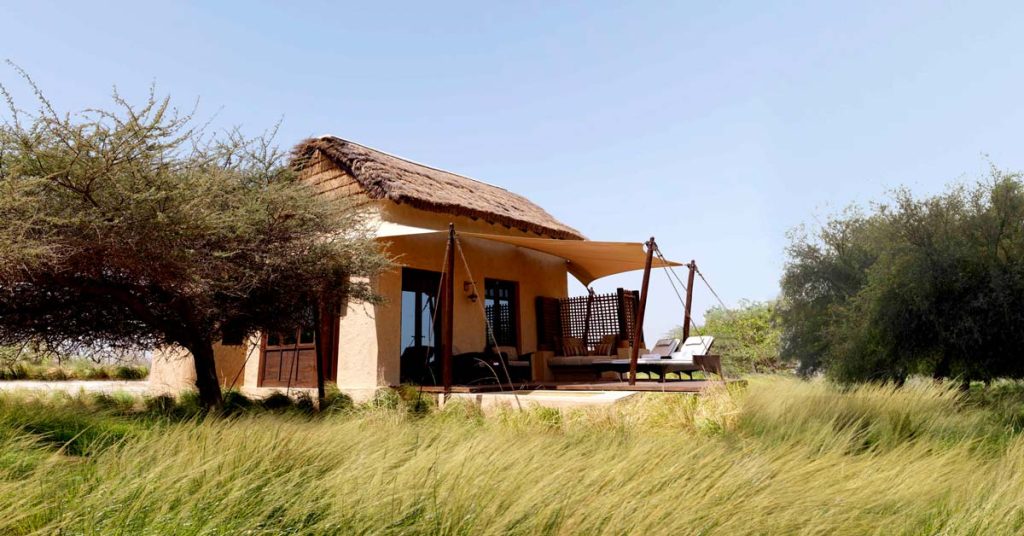
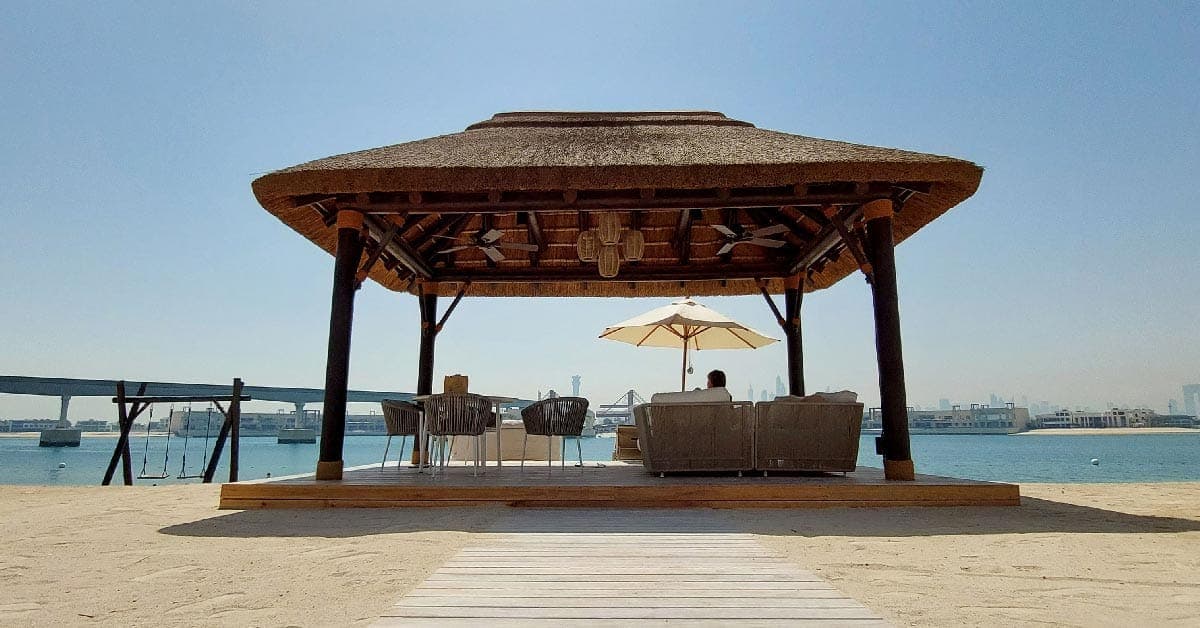
A finished thatched roof brings rustic elegance and organic texture that no manufactured material can copy. It suits gazebos, cabanas, pool houses, chalets and homes, and it adds natural insulation that keeps spaces cooler in summer.
Caring for a handcrafted roof
Like any handcrafted piece, a thatched roof rewards care. An annual professional inspection and fire-retardant protection such as Cape Reed Fireshield keep it safe and beautiful. Our guide to thatched roof maintenance in hot climates explains the routine.
Frequently asked questions
How long does a thatched roof last?
Lifespan depends on the material, the climate and the care it receives. For outdoor structures in hot climates like the Gulf, a well-maintained thatched roof typically lasts 15 to 25 years. Read How Long Does a Thatched Roof Last?
Are thatched roofs eco-friendly?
Yes. Thatch is a renewable, natural material that offers good insulation. Read Why Is Thatching Eco-Friendly?
Can I learn to thatch my own roof?
Small decorative projects are possible, but a structural thatched roof needs a trained thatcher to be safe, weather-tight and long-lasting.
What structures can be thatched?
Gazebos, cabanas, pool houses, chalets, restaurants and homes. Learn how the structure beneath is built in Thatched Roof Construction.
Conclusion: a craft worth keeping alive
Thatching has survived for thousands of years because it works, and because a well-thatched roof is genuinely beautiful. Behind every one is a thatcher's knowledge of material, tools and technique, built up over years of practice.
Want a roof made by master thatchers? Discover Cape Reed thatching or talk to our team about your project.

About Cape Reed Team
Our expert team at Cape Reed Spain brings decades of experience in sustainable thatching and premium outdoor living solutions.
You Might Also Like
Discover more outdoor living inspiration
What Is Thatch Roofing? Materials, Types & Why It’s Still Popular
What is thatch roofing? Thatch roofing is a roof covering made from dry vegetation — traditionally reed, straw, or palm ...
Cape Reed Thatch Roofing
Thatch roofing is more than just a roof. It’s a statement of style, sustainability, and tradition. For centuries, thatch...
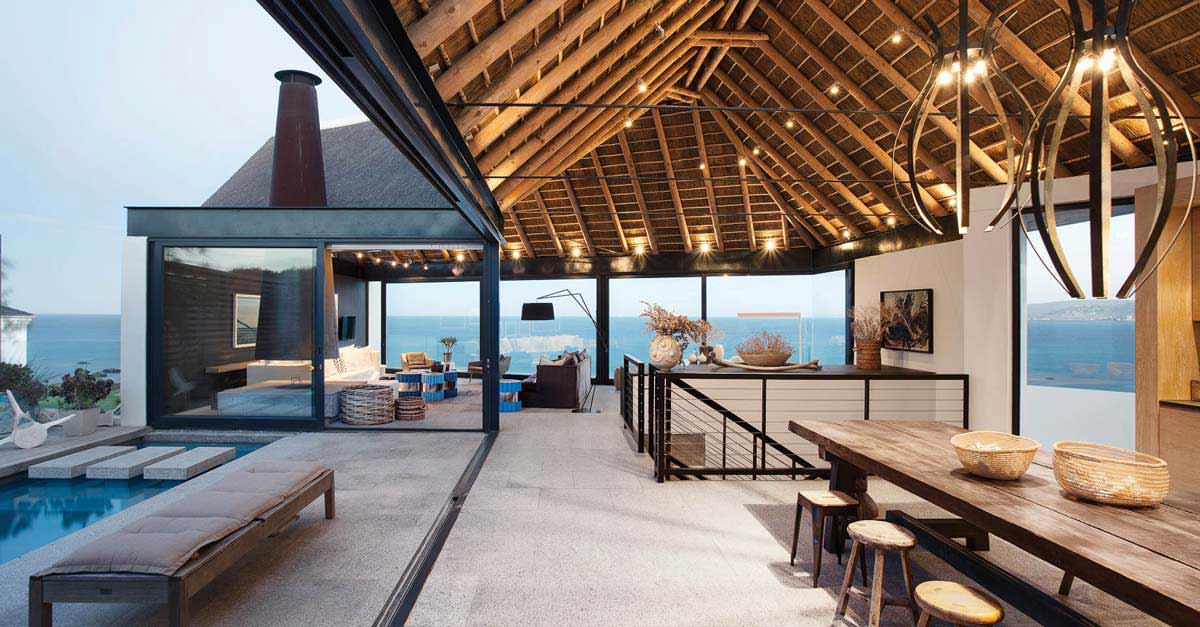
Top 8 Ideas for Contemporary Homes with Thatch
Despite being a classic building material, thatch is frequently used in contemporary constructions as well. One of the m...