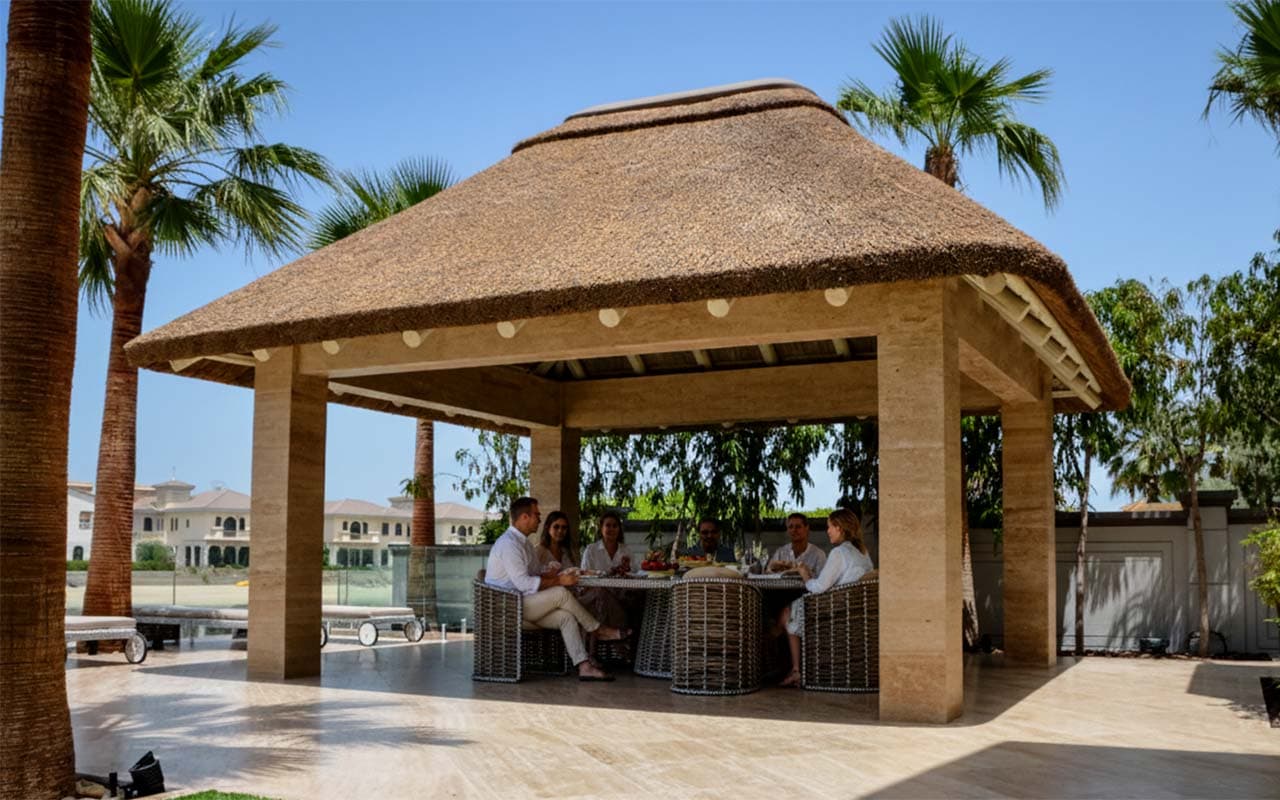
How long does a thatched roof last?
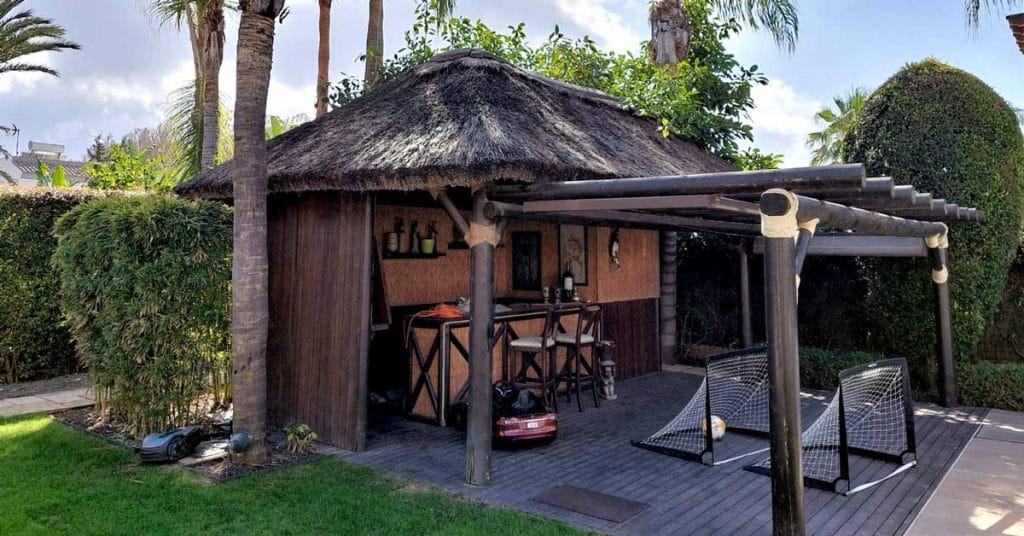
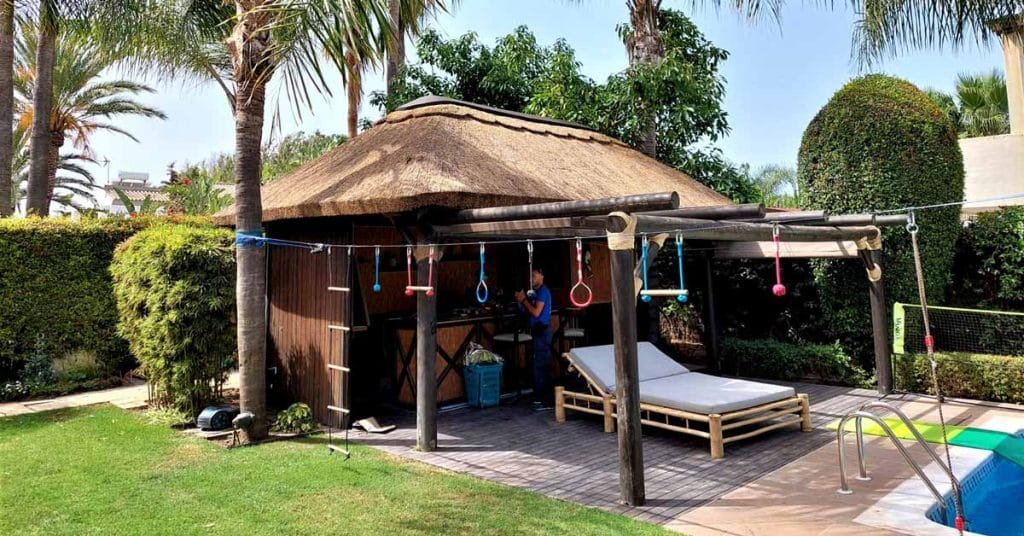
A well-installed, well-maintained thatched roof typically lasts between 15 and 25 years, depending on the material used, the climate it’s exposed to, and how consistently it’s cared for. In drier, hotter regions like the Gulf, natural thatch tends to sit at the shorter end of that range unless properly treated, while synthetic thatch alternatives can last considerably longer with minimal upkeep.
That’s the short answer. The real answer depends on a handful of factors that are worth understanding before you commit to a thatched structure — whether it’s a backyard gazebo or a resort-scale pergola.
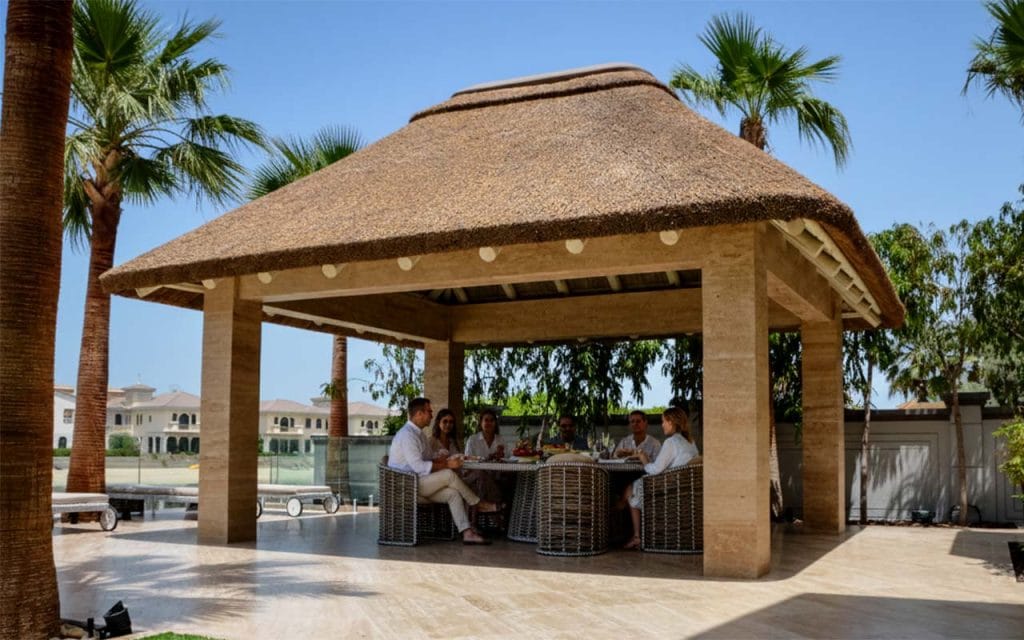
What affects how long thatch lasts?
1. The type of thatch
Not all thatch is created equal. Cape Reed uses Thamnochortus insignis — a reed sourced from South Africa’s Cape fynbos region — prized specifically for its density and natural durability compared to standard reed or palm thatch used elsewhere. Denser reed sheds water faster and resists rot longer, which directly extends roof life.
2. Climate and exposure
Thatch roofs in humid, high-rainfall climates are more prone to moss, algae, and rot, which shortens lifespan if not managed. Thatch roofs in hot, arid, high-UV climates like the UAE and Saudi Arabia face a different challenge: UV degradation and dryness-related brittleness. Both environments call for different maintenance approaches, which is why a one-size-fits-all thatch product often underperforms across regions.
3. Pitch and drainage
A steeper roof pitch sheds water faster, reducing the time thatch spends wet — a major factor in how long it holds up. Poor drainage design is one of the most common (and most preventable) causes of premature thatch failure.
4. Maintenance
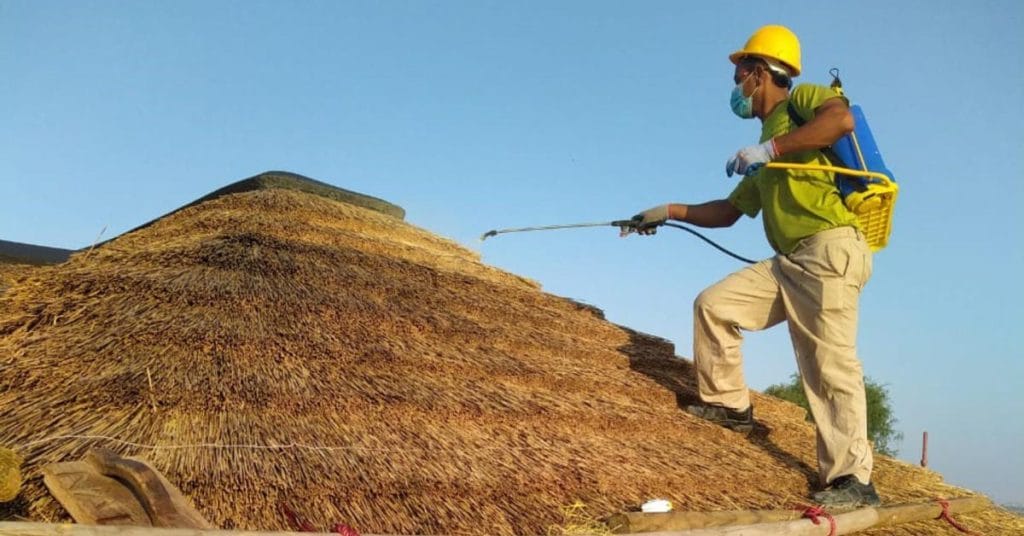
Thatch isn’t maintenance-free, but it doesn’t need much. Periodic inspection for thinning patches, moss buildup, or pest activity — combined with occasional re-ridging — can meaningfully extend a roof’s working life beyond the average range.
5. Fire-retardant treatment
Treating thatch with a fire retardant, such as Cape Reed’s Fireshield, doesn’t just address fire risk — the treatment process itself can improve the material’s resistance to some forms of weathering, contributing to overall longevity. (Speak to your local Cape Reed office for current guarantee terms.)
Natural thatch vs. synthetic thatch: which lasts longer?
This is one of the most common questions we get, and the honest answer is: it depends on what you’re optimizing for.
- Natural thatch offers unmatched authenticity and a natural cooling effect from its structure, but requires more regular inspection and eventually needs re-thatching.
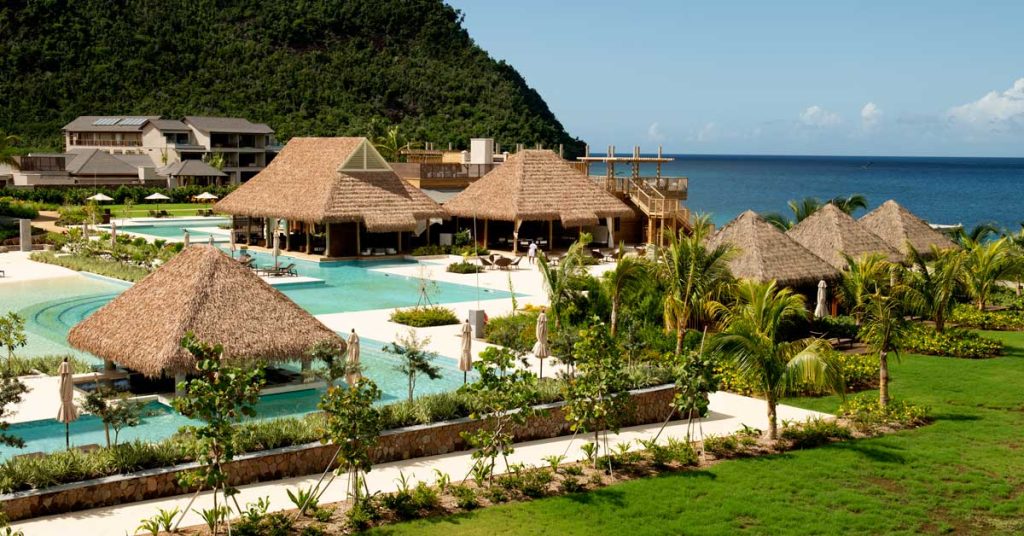
- Synthetic thatch is engineered for consistency — it doesn’t dry out, crack, or attract pests the way natural material can, making it a strong option for commercial properties, resorts, and hospitality projects where predictable long-term performance matters more than natural material authenticity.
Many of Cape Reed’s hospitality clients — including large-scale resort and leisure projects — choose synthetic thatch specifically for this durability trade-off, while private homeowners often prioritize the natural look and are comfortable with more frequent upkeep.
Signs your thatched roof needs attention
- Visible thinning or bald patches
- Sagging or uneven roof lines
- Persistent damp patches indoors after rain
- Moss or algae spreading across large sections
- Pest activity (birds, insects) nesting in the thatch
Catching these early is far cheaper than a full re-thatch, and a quick inspection call is usually all it takes to know which category you’re in.
The bottom line
A thatched roof isn’t a “set it and forget it” structure, but it’s also far more durable than most people assume — especially when it’s installed by a specialist who accounts for your specific climate, pitch, and material choice from day one. If you’re planning a thatched structure and want a lifespan estimate specific to your project and location, Cape Reed’s teams across Dubai, Saudi Arabia, Spain, and Cape Town can walk you through material options suited to your climate.
👉 Explore our projects
👉 Get in touch with our team
Cape Reed International
Exclusive Living, Naturally

About Cape Reed Team
Our expert team at Cape Reed Spain brings decades of experience in sustainable thatching and premium outdoor living solutions.
You Might Also Like
Discover more outdoor living inspiration
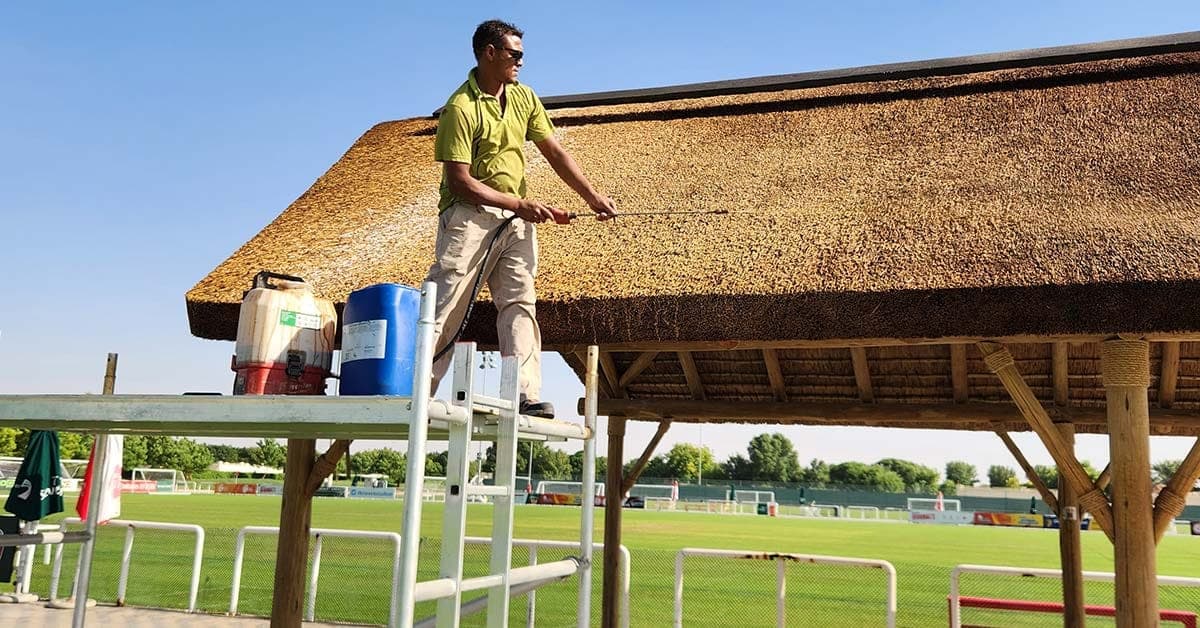
Is Thatched Roofing Fire-Safe? What to Know About Fire-Retardant Treatments
Is thatched roofing a fire risk? Untreated natural thatch is combustible, like most organic roofing and building materia...
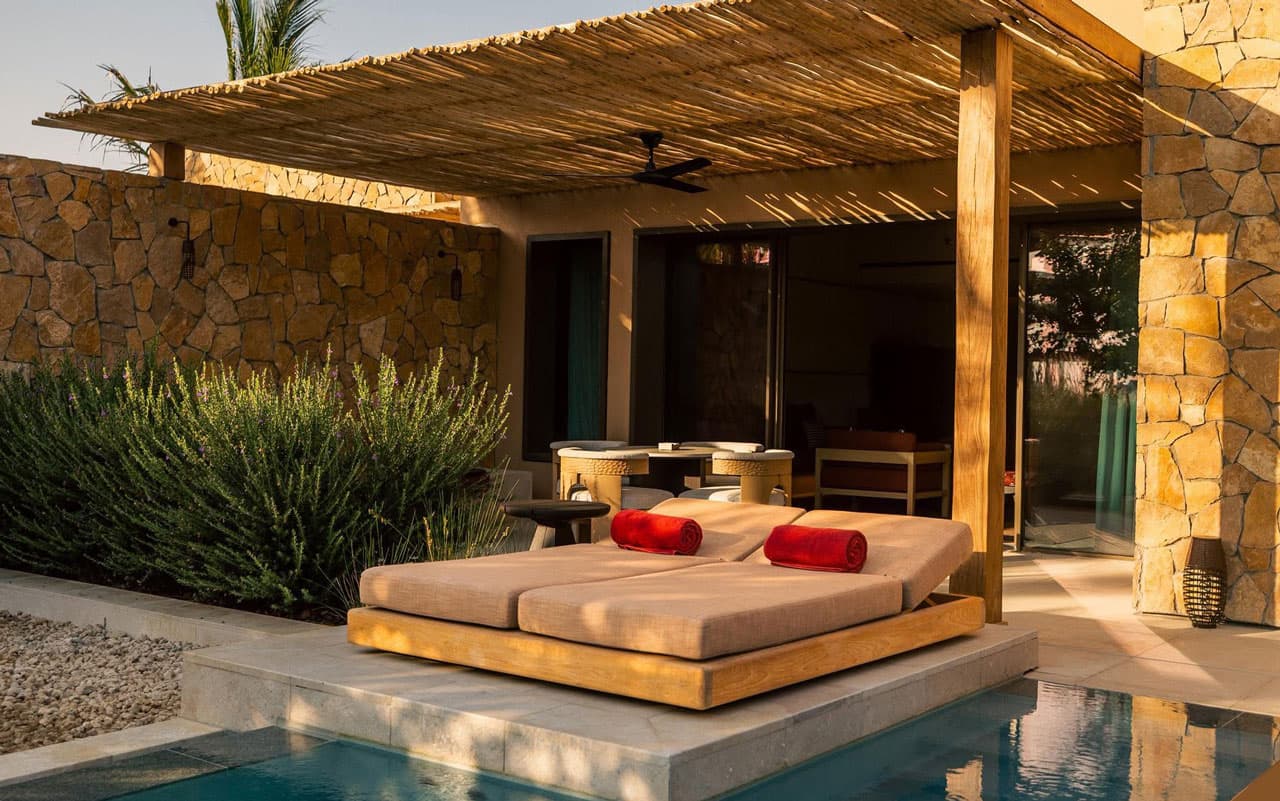
Pergola vs. Thatched Roof: Which Suits Your Dubai Outdoor Space?
Pergola or thatched roof — what’s the real difference? The core difference comes down to shade and enclosure: a pe...
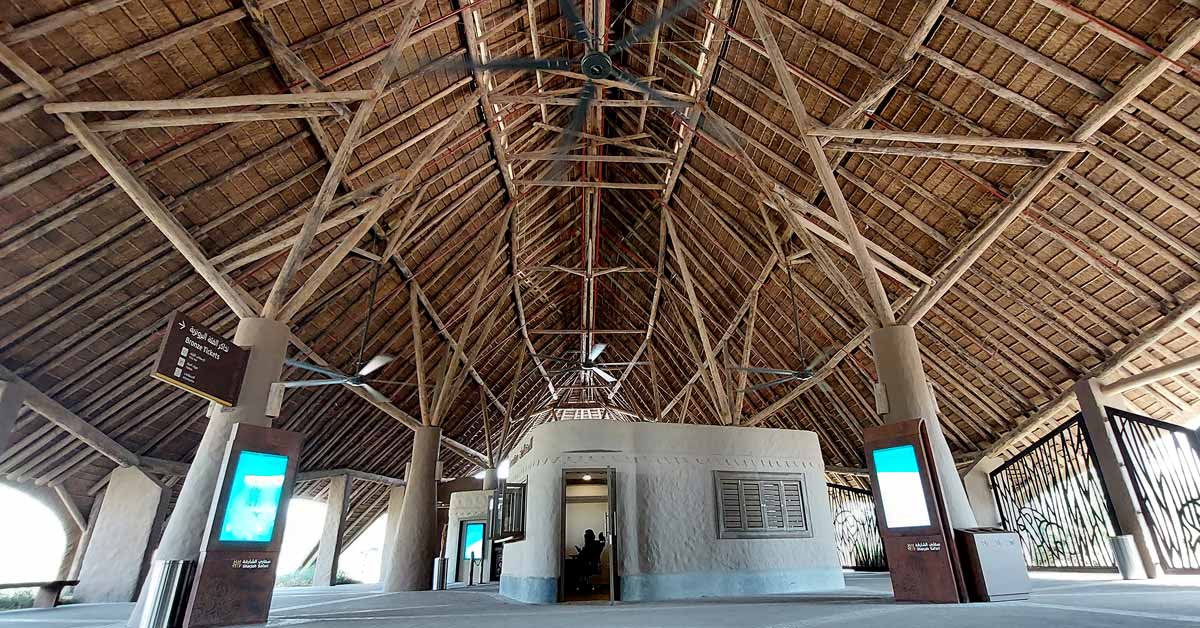
From Brief to Build: How Cape Reed Manages Large-Scale Outdoor Construction Projects
Behind every completed Cape Reed project — whether it is a resort-wide outdoor structures package in Saudi Arabia or a b...