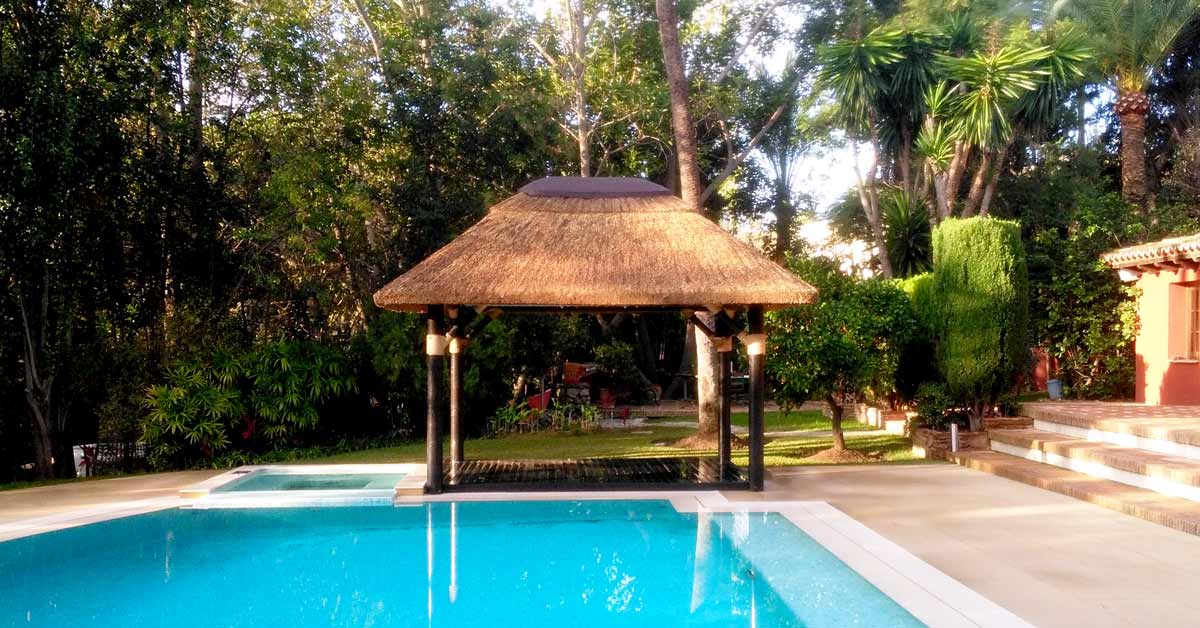
Can a thatched roof be repaired?
Yes. Most thatched roof damage can be repaired without replacing the whole roof. Localised problems such as thin patches, rotten sections, bird damage or a worn ridge are fixed by removing the damaged reed, inserting new reed and compacting it into the surrounding thatch. A full rethatch is only needed when wear is widespread or the structure beneath is affected. The key is catching damage early, while it is still a repair rather than a replacement.
Thatch is a natural material, and even a beautifully built roof will eventually need attention. This guide explains how to spot damage, what can be repaired, and when it is time to rethatch.
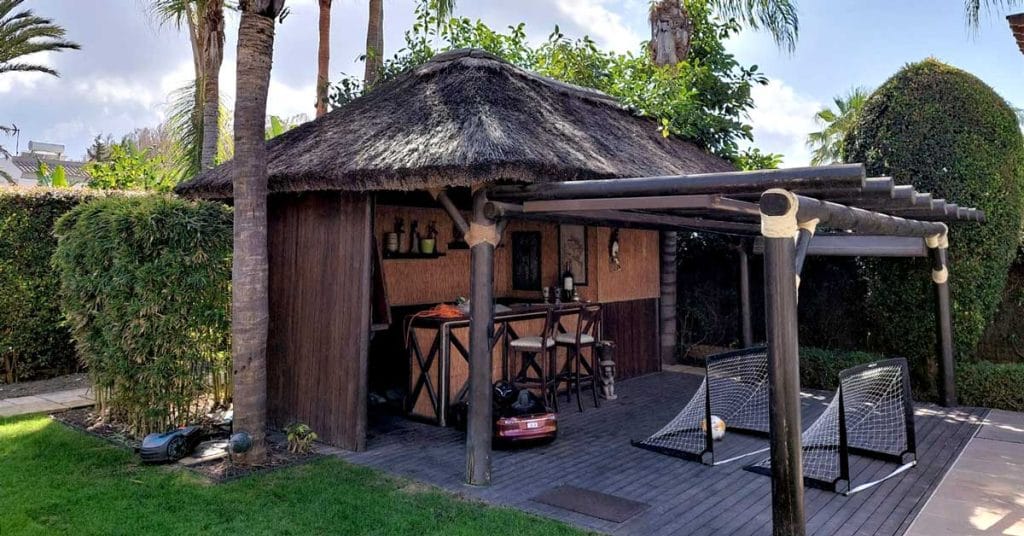
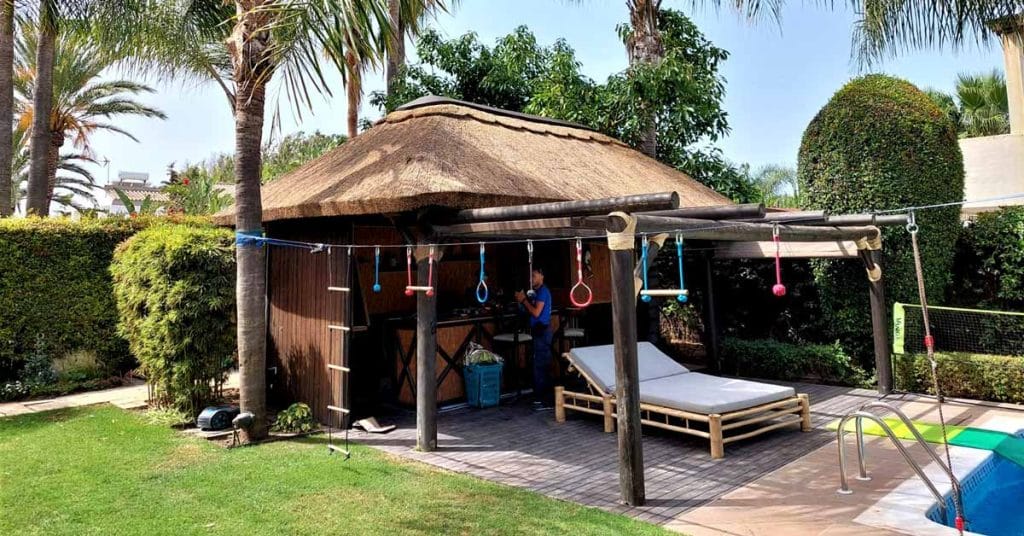
Signs your thatched roof needs repair
- Thin or uneven patches: areas that look lower or sparser than the rest of the roof.
- Dark, soft or rotten sections: often caused by trapped moisture, for example from sprinklers or debris holding water against the reed.
- Exposed fixings: if you can see the fixings that hold the thatch, the surface has worn down.
- Holes or pulled reed: signs of birds or rodents taking material.
- A worn or damaged ridge: the ridge is the most exposed part of the roof and usually wears first.
- Leaks, stains or a musty smell beneath the roof.
- Sagging: which can point to a problem with the timber structure and needs checking quickly.
What causes thatch damage in hot climates?
In the Gulf, the most common causes are garden irrigation repeatedly wetting one section, wind-blown sand and leaves collecting in valleys and eaves, intense UV, birds, and heat sources such as barbecues placed too close to the roof. Most of these are easy to prevent once you know to watch for them. Our thatched roof maintenance guide explains how.
Types of thatched roof repair
Patch repair
The thatcher removes the damaged or rotten reed from the affected area, inserts new reed and compacts it so it locks into the surrounding thatch. This is the most common repair and restores a section without disturbing the rest of the roof.
Re-dressing and compacting
Where the surface has loosened or thinned slightly, the thatcher can dress and compact the existing reed, tightening the layers and restoring an even surface.
Re-ridging
Because the ridge weathers fastest, it is often renewed on its own, well before the main roof needs work. Re-ridging protects the top of the roof and extends the life of everything below it.
Fire-retardant re-treatment
Any repair is a good moment to refresh fire protection. New reed should be treated, and the whole roof's fire-retardant protection reviewed. Learn more about Cape Reed Fireshield.
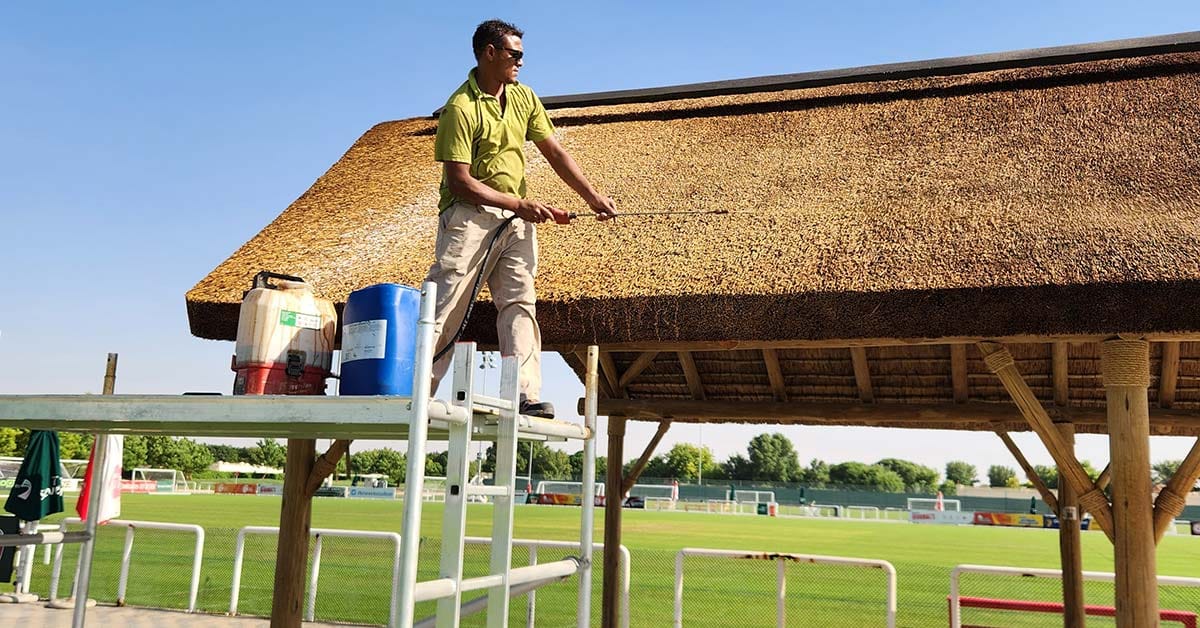
Repair or replace: how to decide
| Situation | Usually |
|---|---|
| Damage limited to a few areas | Patch repair |
| Worn or damaged ridge, main roof sound | Re-ridging |
| Surface slightly thin but even | Re-dressing and compacting |
| Thinning across most of the roof, fixings widely exposed | Full rethatch |
| Sagging or problems with the timber frame | Structural inspection first, then repair or rebuild |
A professional inspection is the only reliable way to tell which applies. In hot climates, a well-maintained roof typically lasts 15 to 25 years, and timely repairs help it reach the longer end. See How Long Does a Thatched Roof Last?
Case study: restoring an eight-year-old roof
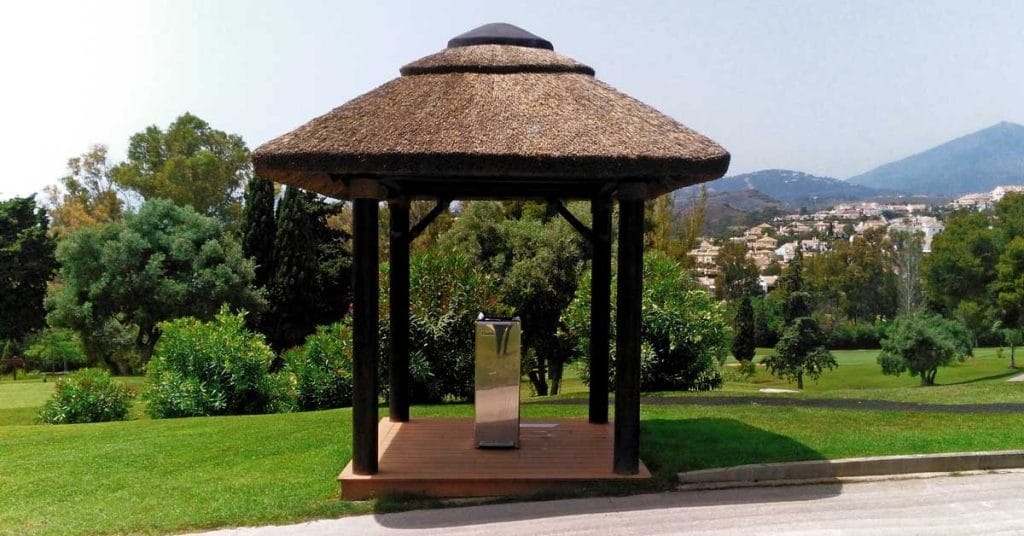
Eight years after building two thatched structures, our client asked us for a thorough inspection. We found sections that needed attention, so our thatchers removed all the rotten thatch, carefully replaced it with new reed and compacted the roofs. The result: two structures restored to their original condition, without the cost of a full rethatch.

Will new reed match the old?
Fresh reed is lighter in colour than weathered thatch, so a repaired section will look brighter at first. Natural thatch silvers with sun exposure, and repairs typically blend in over time.
Frequently asked questions
Can I repair my thatched roof myself?
You can clear debris and keep an eye on the roof, but repairs need a trained thatcher. Inserting and compacting reed properly takes skill, and climbing on thatch can damage it.
How often should a thatched roof be inspected?
At least once a year by a professional, with quick checks from the ground every few months.
Does Cape Reed repair roofs it didn't build?
Contact us with photos and details of your roof. Our team can advise whether it can be repaired and what is involved.
How long does a thatch repair take?
It depends on the size and type of repair. Patch repairs and re-ridging are usually far quicker than a full rethatch.
Conclusion: repair early, enjoy for longer
Most thatched roof problems are repairable if they are caught early. Know the warning signs, book an annual inspection and fix small issues before they spread, and your roof will stay beautiful and weather-tight for years.
Worried about your thatch? Send your regional Cape Reed team a few photos and book an inspection. We'll tell you whether it needs a repair, re-ridging or a fresh start.

About Cape Reed Team
Our expert team at Cape Reed Spain brings decades of experience in sustainable thatching and premium outdoor living solutions.
You Might Also Like
Discover more outdoor living inspiration
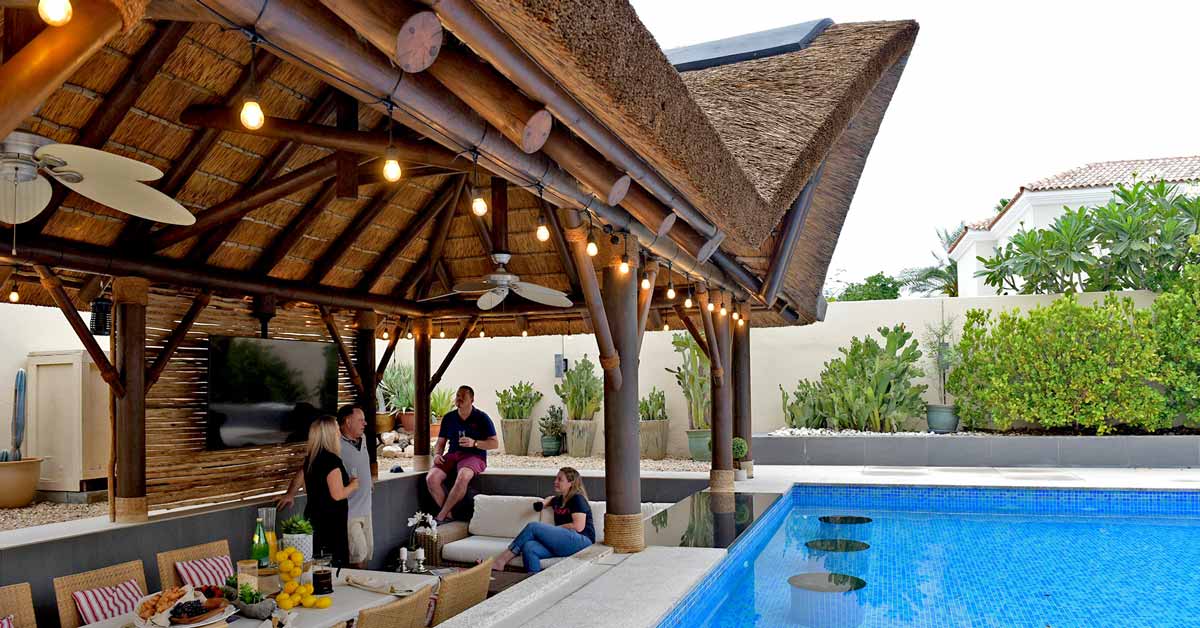
How Much Does a Thatched Roof Cost? UAE Prices, What's Included and 10 Years of Upkeep
How much does a thatched roof cost in the UAE? Cape Reed's standard thatched gazebos start at AED 40,000 for a 4m x 4m s...

How to Maintain a Thatched Roof in Hot, Dry Climates
How do you maintain a thatched roof in a hot climate? It comes down to four habits: a professional inspection at least o...
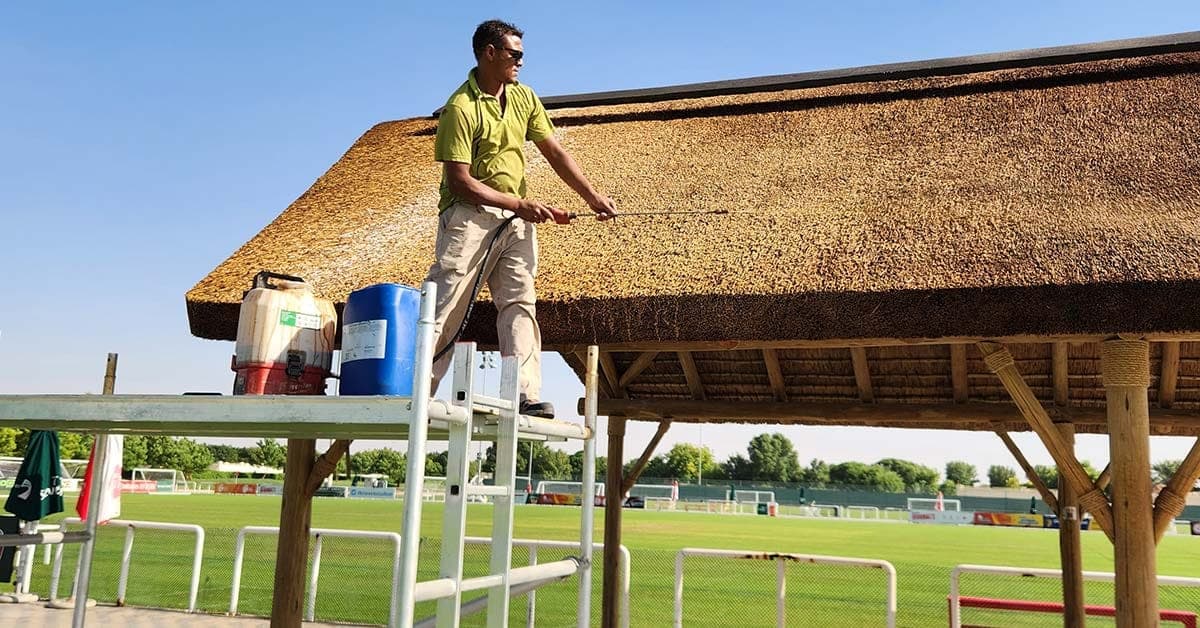
Is Thatched Roofing Fire-Safe? What to Know About Fire-Retardant Treatments
Is thatched roofing a fire risk? Untreated natural thatch is combustible, like most organic roofing and building materia...