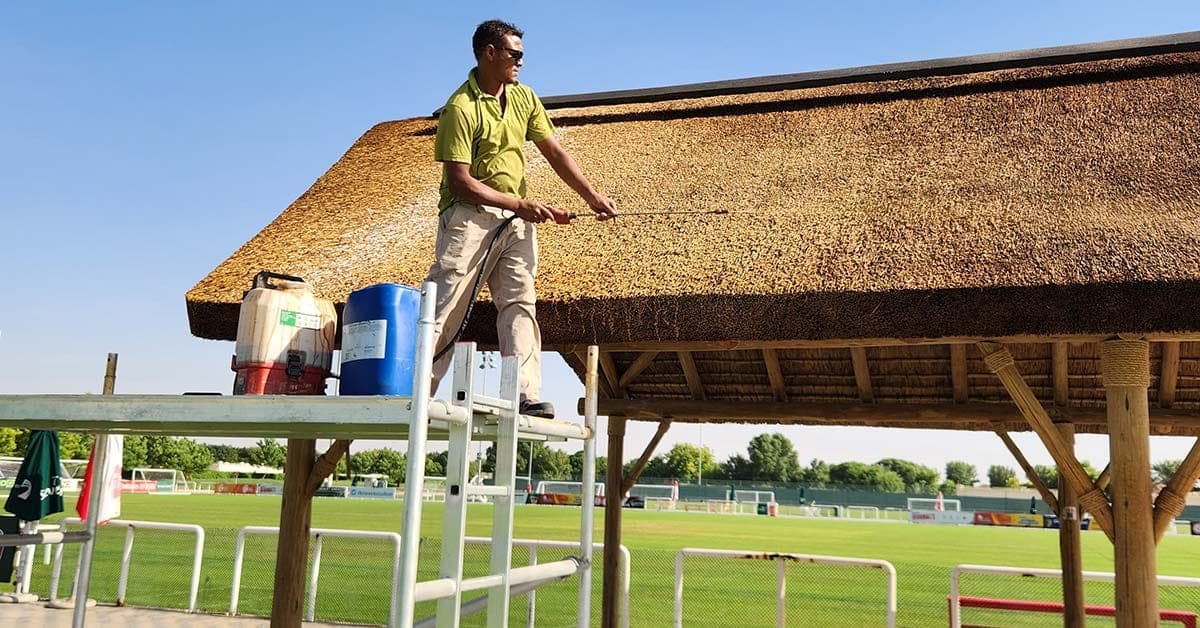
Is thatched roofing a fire risk?
Untreated natural thatch is combustible, like most organic roofing and building materials — but treated correctly with a fire-retardant product, thatch can meet significantly higher fire-safety standards while keeping its natural look and performance intact. The key word is treated: the fire-safety conversation around thatch is really a conversation about treatment quality, not about thatch as a material category.
This distinction matters, especially for anyone comparing thatch to conventional roofing materials when making a building decision — the risk profile changes substantially depending on whether (and how) the material has been treated.
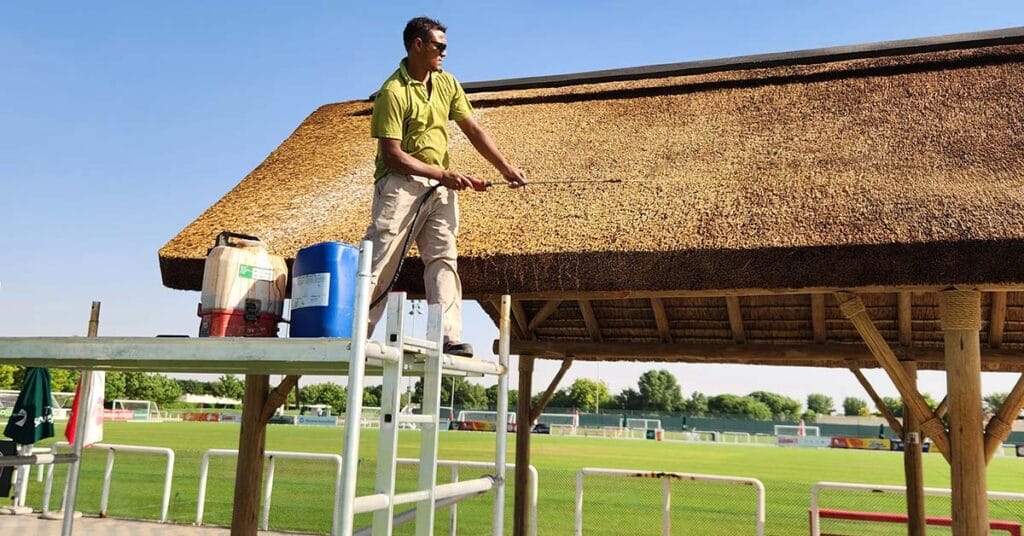
How does fire-retardant treatment work?
Fire-retardant treatments, such as Cape Reed’s Fireshield, work by chemically altering how the material responds to heat and flame — typically by:
- Slowing ignition time, giving occupants more time to respond
- Reducing flame spread rate across the roof surface
- Lowering the intensity and duration of combustion if ignition does occur
Fireshield can be applied to thatch, timber, and other structural materials, making it relevant not just for the roof itself but for the timber frame supporting it — an important detail, since fire risk in a structure isn’t limited to the roofing material alone.
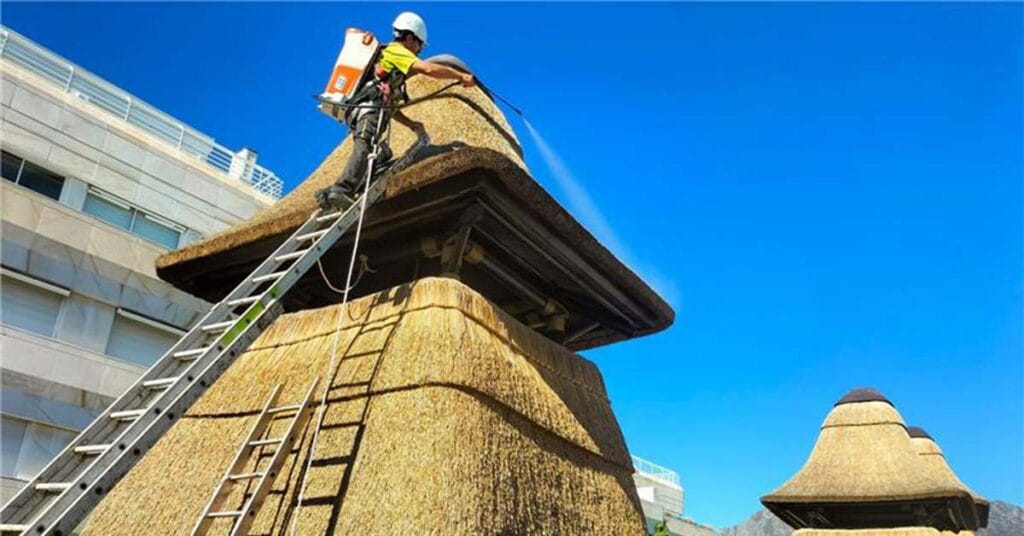
What to ask before installing a thatched roof
If fire safety is a priority for your project — and for commercial, hospitality, or larger residential structures, it should be — these are the right questions to ask any thatching provider:
- What specific fire-retardant product is used, and what standard is it tested against?
- How long does the treatment last, and does it need reapplication over the roof’s lifetime?
- What guarantee is offered on the fire-retardant treatment specifically
- Is the treatment applied to timber structural elements as well as the thatch itself?
- Does the treatment affect the roof’s appearance, weight, or maintenance needs?
A reputable provider should be able to answer all five clearly and specifically — vague answers here are a warning sign, given how much this matters for larger or commercial structures.
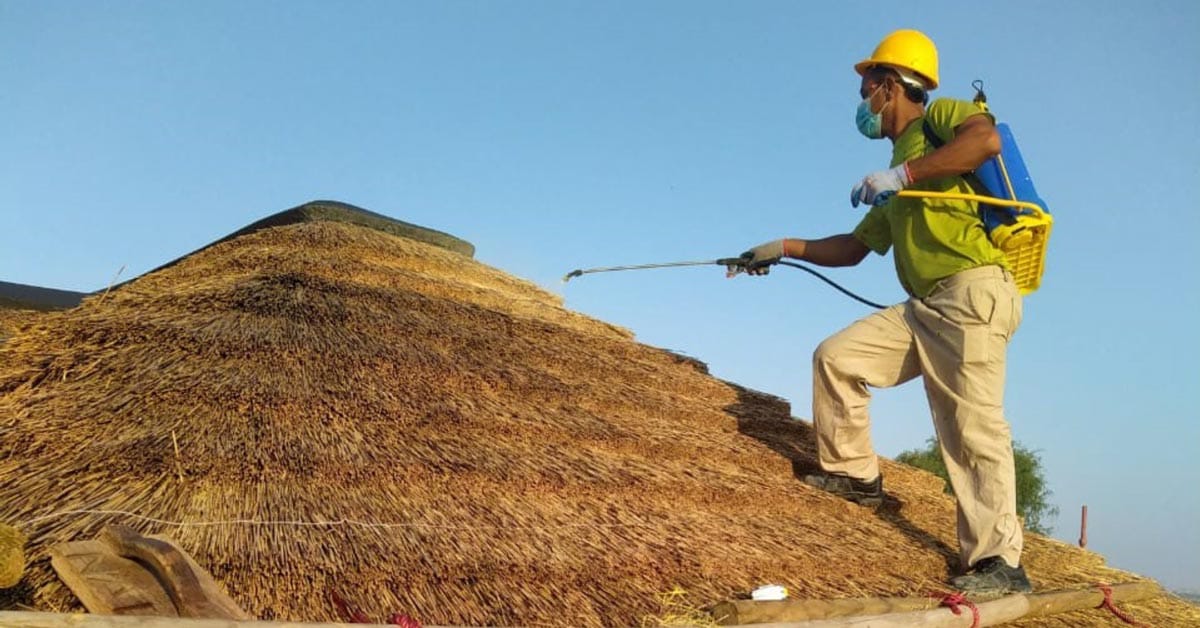
Fire safety for commercial and hospitality projects
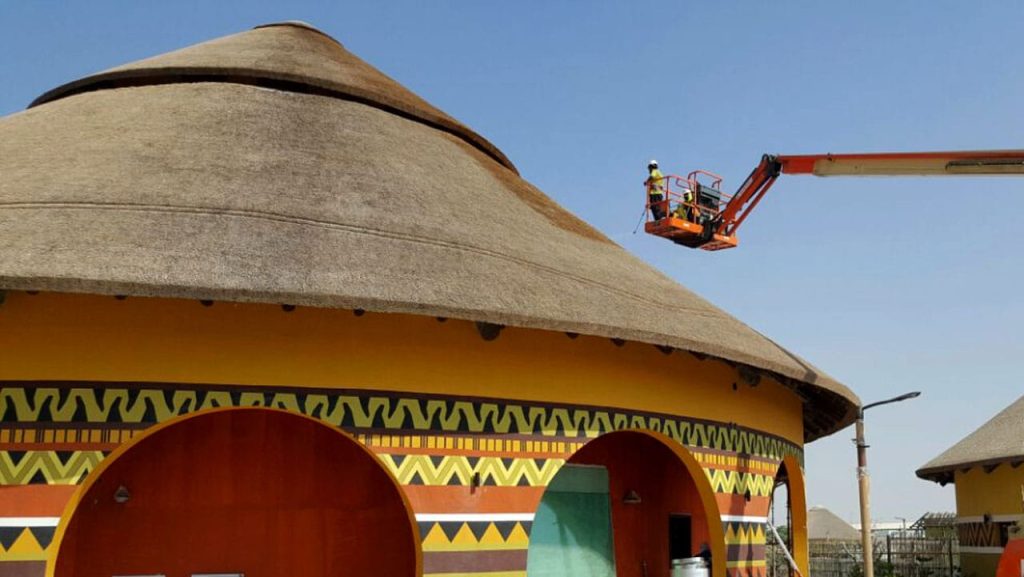
For resort, restaurant, and large-scale hospitality projects — where thatched structures often cover larger footprints and higher-occupancy spaces — fire-retardant treatment isn’t optional in most jurisdictions, and shouldn’t be treated as optional even where it isn’t strictly mandated. This is an area where cutting corners on treatment quality to save cost carries a disproportionate downside risk relative to the modest cost difference in most projects.
The bottom line
Thatch’s natural fire risk is real but manageable — and with the right treatment, it’s addressed to the same standard responsible builders apply to any combustible building material. The right question isn’t “is thatch safe?” in the abstract, but “is this specific roof, treated in this specific way, safe for this specific use case?” That’s a conversation worth having directly with your thatching provider before any structure goes up — not after.
Cape Reed’s Fireshield treatment is available across all of Cape Reed’s regional offices — Dubai, Saudi Arabia and Spain — and can be applied to both thatch and timber elements of a structure.
Learn More Here
Chat With Amr Now
Download our Fireshield Brochure
Tags

About Cape Reed Team
Our expert team at Cape Reed Spain brings decades of experience in sustainable thatching and premium outdoor living solutions.
You Might Also Like
Discover more outdoor living inspiration
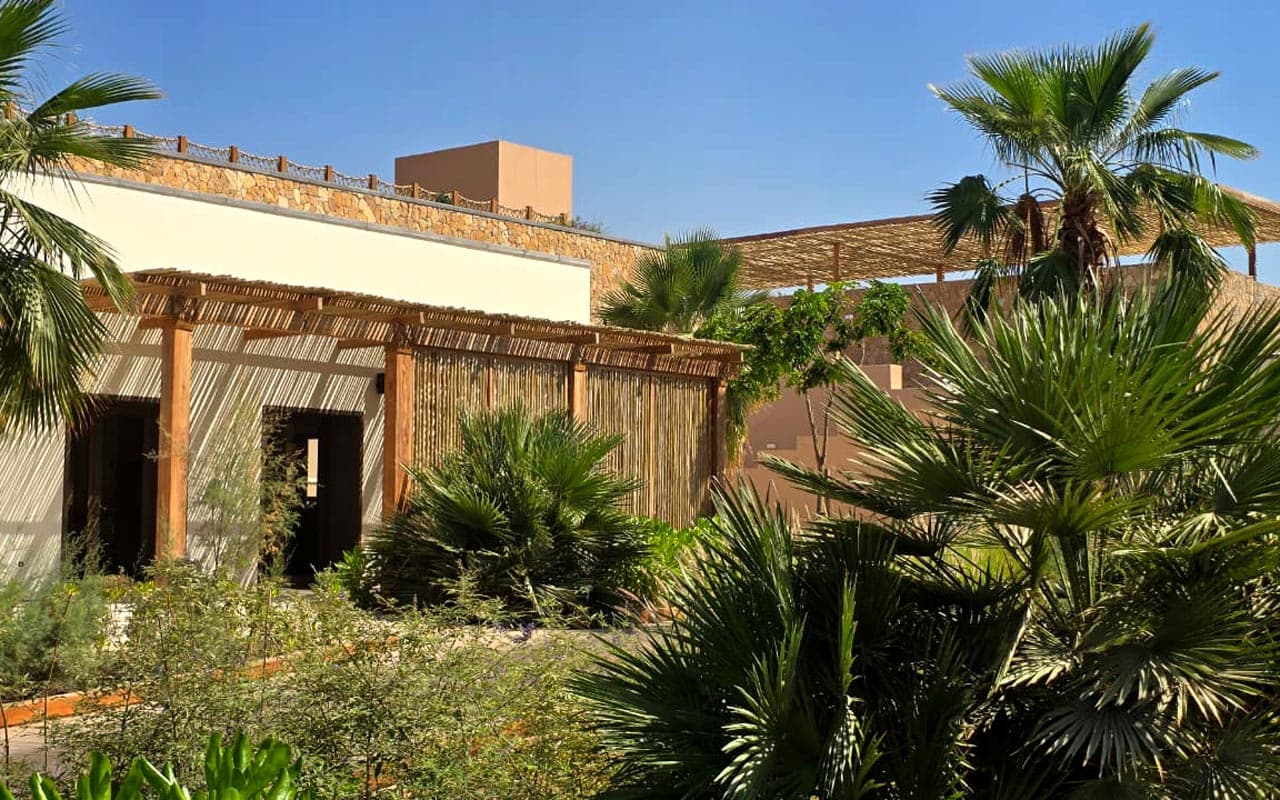
Designing Thatched Outdoor Spaces for Hotels and Resorts: What Developers Need to Know
The outdoor space of a luxury hotel or resort is not a finishing touch. It is a defining feature — the element that gues...
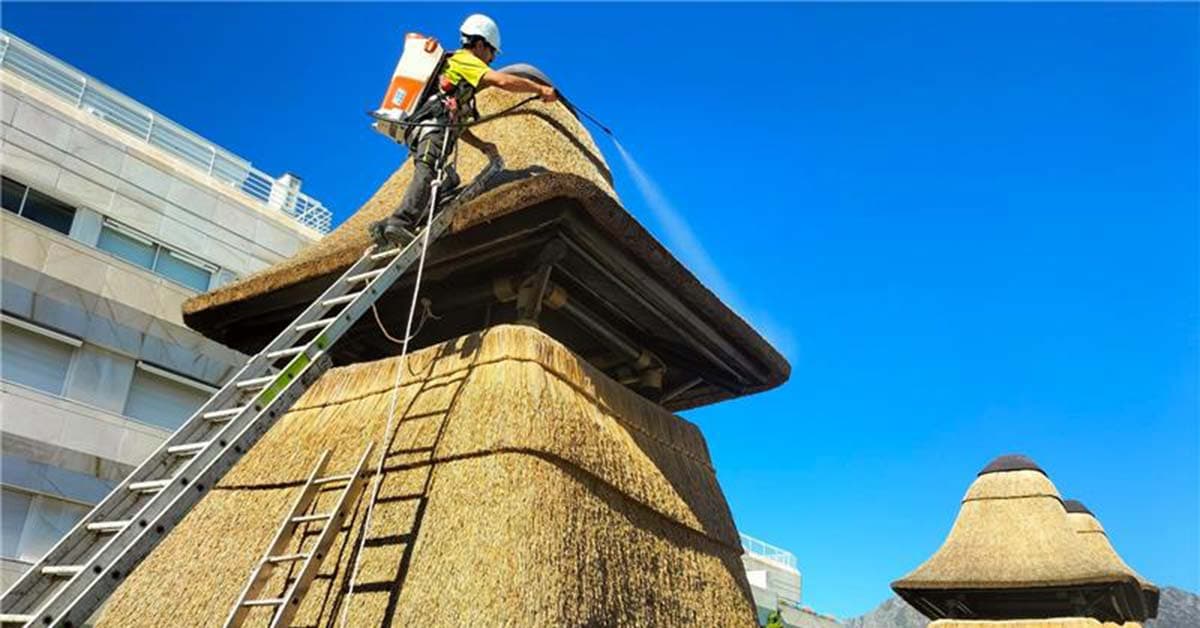
Fire Protection in Saudi Arabia: Why Cape Reed Fireshield Is Essential for Thatch and Timber Structures
In Saudi Arabia and across the Middle East, outdoor living is a defining feature of luxury developments, resorts, and ho...
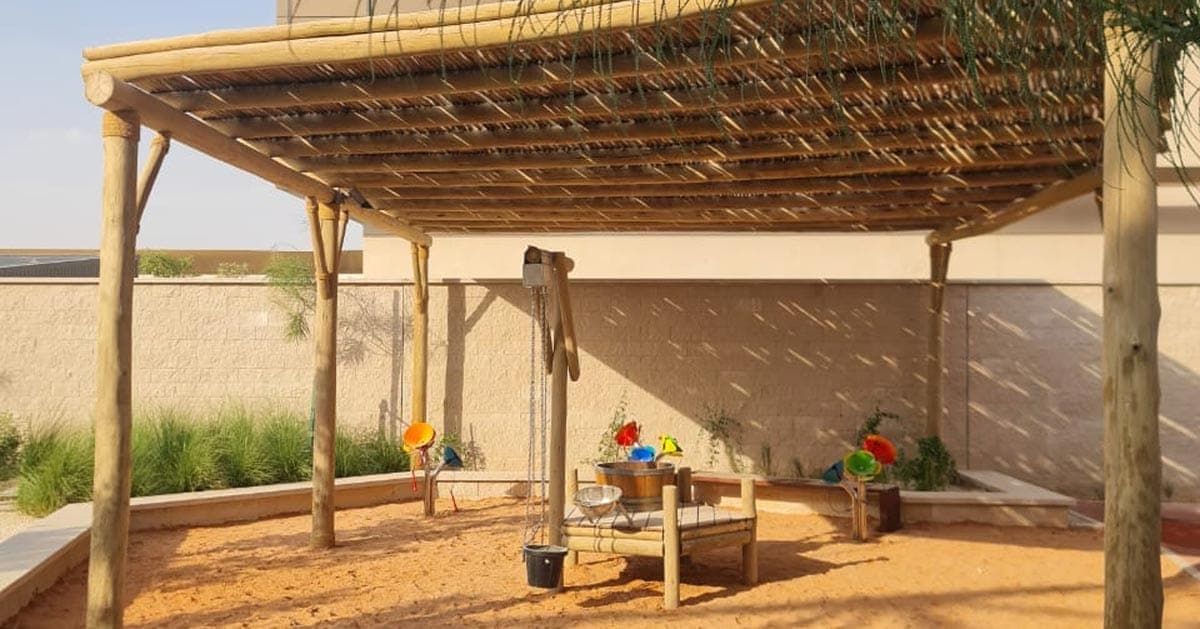
Cape Reed Expands into Saudi Arabia
Cape Reed is proud to announce that we are now fully operational in Saudi Arabia with a dedicated office in Riyadh. This...