
How do you maintain a thatched roof in a hot climate?
Maintaining a thatched roof in a hot, dry climate comes down to four habits: a professional inspection at least once a year, keeping the surface clear of sand, leaves and debris, protecting the thatch from constant water and heat sources nearby, and keeping its fire-retardant treatment up to date. Done consistently, that routine is what keeps a roof at the longer end of its natural lifespan rather than the shorter one.
A thatched roof is one of the few roofs people actually want to sit under. It is where the long lunches happen, where the kids fall asleep on the daybed, where evenings stretch out once the heat breaks. Looking after it is less about chores and more about protecting the space your family or your guests already love.
In our guide to how long a thatched roof really lasts, we explained that thatch in the Gulf tends to sit at the shorter end of the 15 to 25-year range unless it is cared for. This guide is the "how" behind that care.
Why is the Gulf climate harder on thatch?
Thatch was born in temperate climates, so heat, sun and sand ask more of it. Natural thatch, like the Cape Reed we source from South Africa, handles these conditions well when it is installed and cared for properly, but the pressures are real.
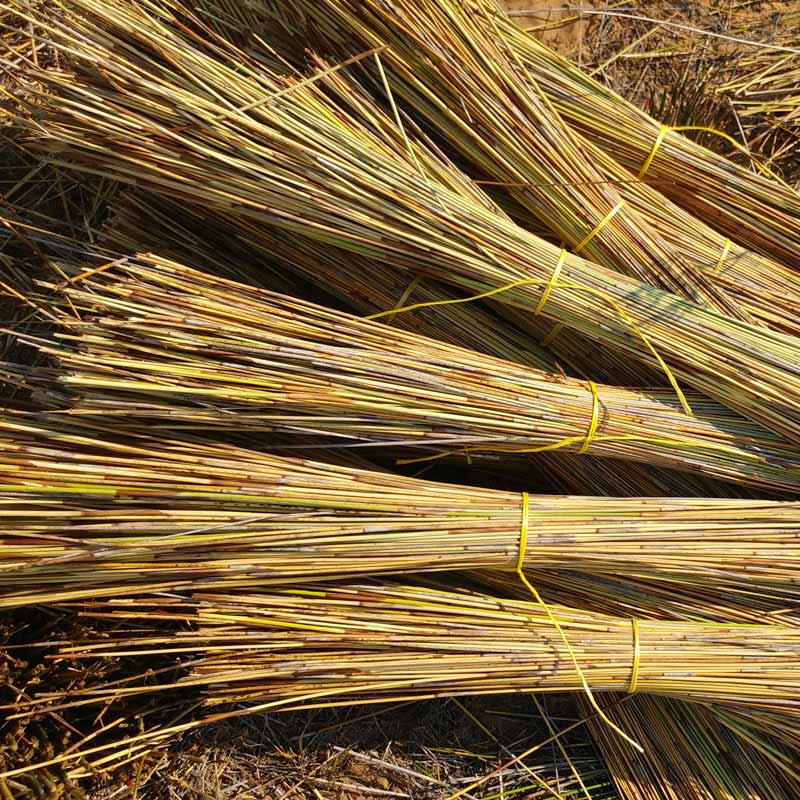
- Intense UV and heat. Year-round sun dries the reed and speeds up surface weathering. Thatch naturally silvers to a soft grey over time; that colour change is cosmetic, not a defect.
- Sand and dust. Wind-blown sand settles into the surface layer, holds moisture after rain or irrigation, and slowly wears the reed.
- Coastal humidity and salt. Beachfront and marina properties see humid summers and salt in the air, which can leave the surface damp for longer than you would expect in a desert.
- Garden irrigation. Sprinklers and misting systems that repeatedly wet one section of roof are one of the most common causes of early decay we see.
None of this is a reason not to build with thatch. It is the reason a simple maintenance routine matters more here than in a cooler climate.
How often should a thatched roof be inspected?
A thatched roof should be inspected by a professional thatcher at least once a year, ideally before the hottest months. Between inspections, a quick look from the ground every few months is enough to catch problems early.
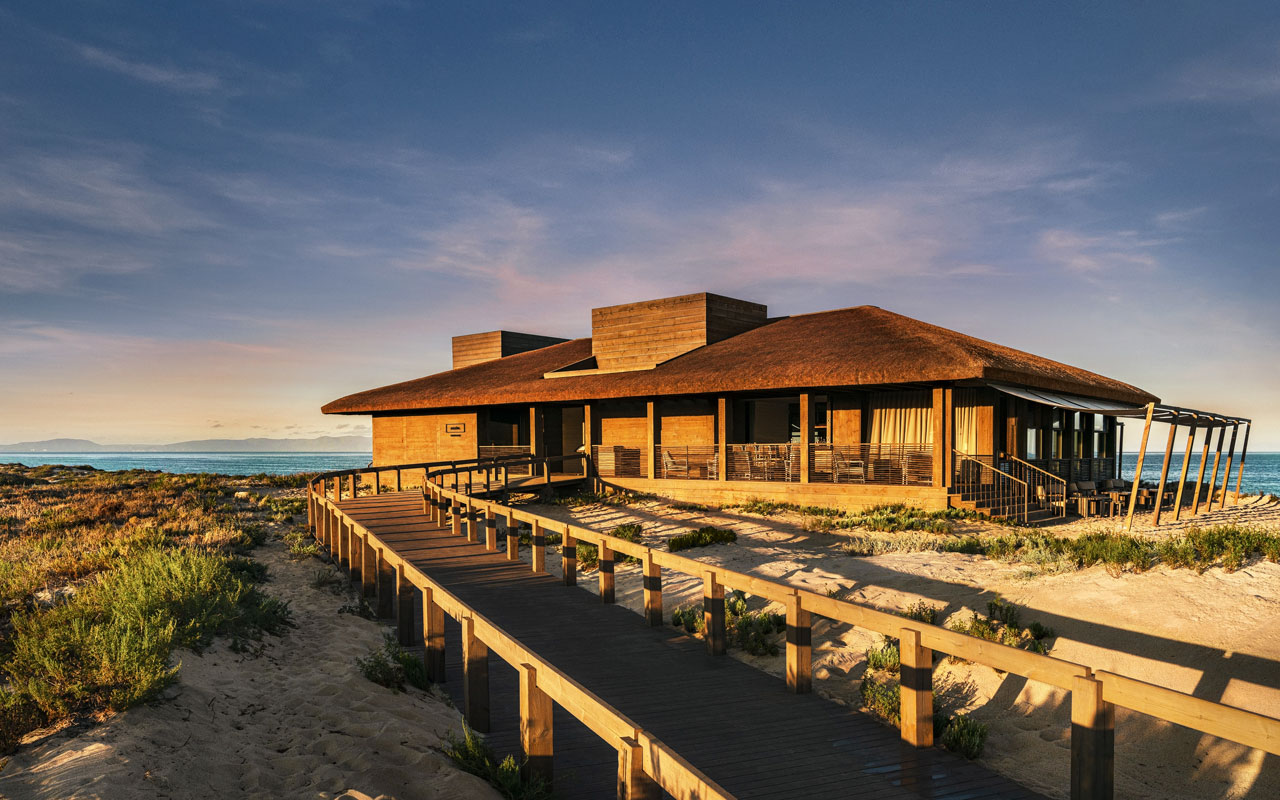
When you do look, check for:
- Thin or uneven patches where the surface looks lower than the rest of the roof
- Loose or displaced reed, especially along edges and around the ridge
- Dark, soft or musty areas, which can signal trapped moisture
- Gaps where birds or rodents have pulled material out
- Any change around poles, fixings or where the thatch meets another structure
How do you clean a thatched roof?
The best way to clean a thatched roof is gently: remove leaves, palm fronds and visible debris by hand or with a soft brush, and leave deeper work to a thatcher. Never pressure-wash thatch. High-pressure water forces moisture deep into the reed and strips the surface layer you are trying to protect.
In sandy or coastal areas, a light seasonal clean of debris that collects in valleys and along the eaves stops it from holding moisture against the reed.
Why does the ridge need special attention?
The ridge is the most exposed part of any thatched roof. It takes the full force of sun and wind and sheds water from both sides, so it usually needs attention before the rest of the roof. Ask for the ridge to be checked specifically at every inspection.
Does fire-retardant treatment need to be reapplied?
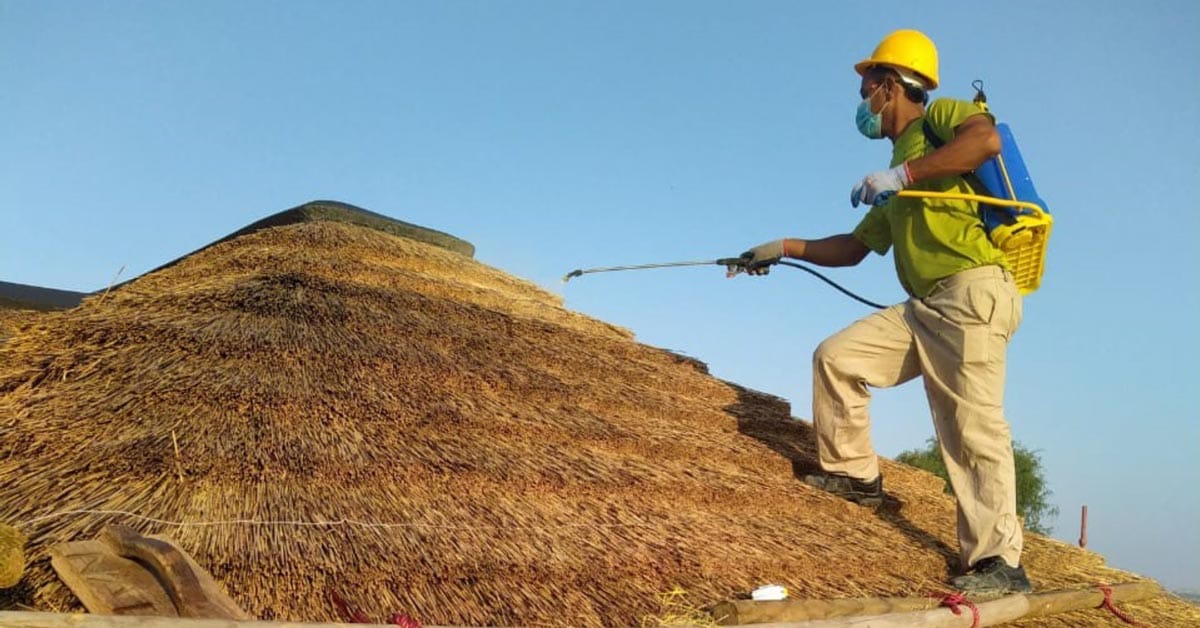
Yes. A fire-retardant treatment like Cape Reed Fireshield significantly increases thatch and timber's resistance to fire, but sun and weather affect any surface treatment over time. Make fire-retardant care part of your annual inspection and follow your Cape Reed team's advice on when to reapply. For the full picture, read Is Thatched Roofing Fire-Safe?
How do you keep birds and pests out of thatch?
Birds pull reed for nesting and rodents can tunnel into the surface layer. Wire netting over the thatch is the most common protection. Your thatcher can advise whether your roof needs it based on its location and what they find at inspection. Repair any holes quickly, because a small gap invites more damage.
What around the roof affects its lifespan?
What surrounds a thatched roof matters almost as much as the roof itself.
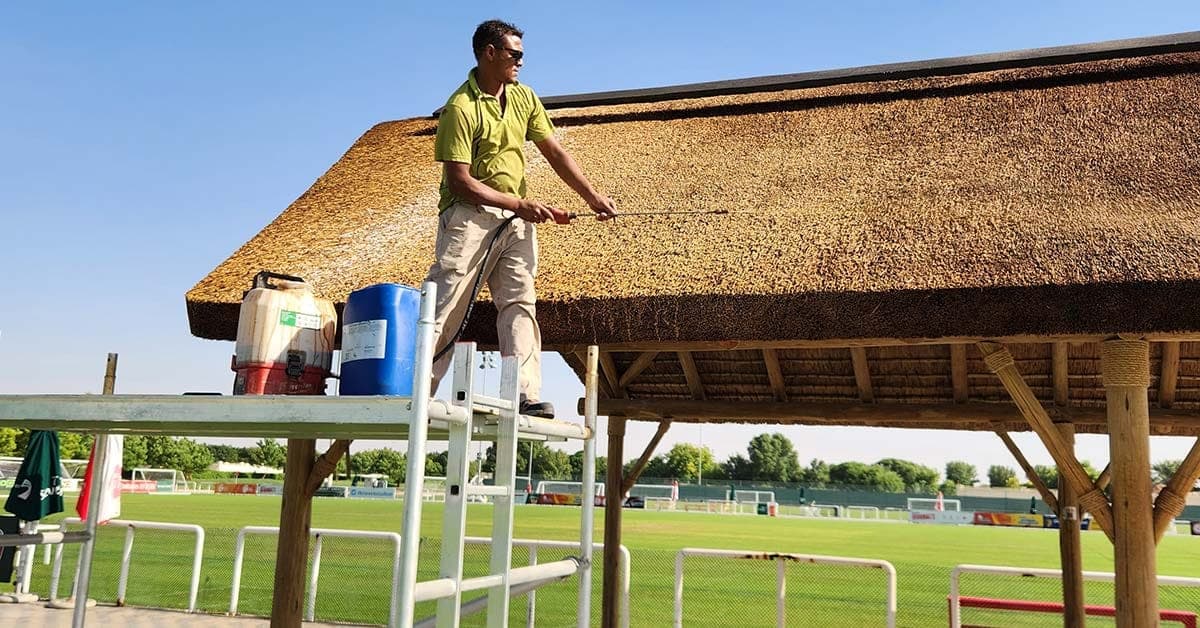
- Irrigation: angle sprinklers and misters away from the thatch so they never wet the same section repeatedly.
- Heat sources: keep barbecues, fire pits, outdoor kitchens and patio heaters a safe distance from the roof edge.
- Trees and planting: trim overhanging branches so leaves do not pile up and the roof can dry in the sun and wind.
- Airflow: avoid enclosing a thatched structure in ways that trap humid air under the roof.
A simple thatch maintenance calendar
Most of the work takes minutes; the few bigger jobs belong to a professional once a year.
| When | What to do | Who |
|---|---|---|
| Every few months | Look over the roof from the ground for thin patches, loose reed or damage | Owner |
| After sandstorms or strong wind | Clear debris from valleys and eaves; check edges and ridge | Owner |
| Spring, before the peak heat | Professional inspection, ridge check and repairs | Cape Reed thatcher |
| At each inspection | Review fire-retardant protection and reapply when advised | Cape Reed team |
| Ongoing | Keep sprinklers, heat sources and overhanging branches away from the thatch | Owner / gardener |
Thinking about a lower-maintenance option for a new project? Thatch tiles and synthetic thatch keep the look of natural thatch with different care needs.
When should you call a professional?
Call a thatcher whenever you see damage you cannot reach safely, soft or dark patches that suggest moisture, or reed that is visibly thinning. Small repairs done early are far simpler than replacing whole sections later.
Frequently asked questions
How long does a thatched roof last in the UAE?
A well-installed, well-maintained thatched roof typically lasts 15 to 25 years. In the Gulf's heat and sun, natural thatch tends to sit at the shorter end of that range unless it is cared for, which is why regular maintenance matters so much here. Read more in How Long Does a Thatched Roof Really Last?
Can I maintain a thatched roof myself?
You can handle the everyday checks yourself: look over the roof from the ground every few months and clear loose leaves and debris you can reach safely. Leave repairs, ridge work and fire-retardant treatment to a professional thatcher, and avoid climbing on the thatch, which can damage the surface.
Is a thatched roof high maintenance?
No. Routine care is light: one professional inspection a year and a few quick checks in between. Most problems come from water, debris and nearby heat sources, all of which are easy to control once you know to watch for them.
Conclusion: protect the space you love
A thatched roof in a hot climate does not ask for much: a yearly professional inspection, a clear surface, water and heat kept at a distance, and fire-retardant protection kept up to date. Those few habits are what keep your roof looking beautiful, and keep it at the longer end of its lifespan.
Cape Reed has been building and caring for thatched roofs for more than two decades, from private villa gazebos to beach clubs and resorts. If your roof is due a check, or you are planning a new thatched structure, our team is ready to help. New to thatch? Start with What Is Thatch Roofing?
Ready to give your thatch the care it deserves? Book a roof inspection with your regional Cape Reed team today.

About Cape Reed Team
Our expert team at Cape Reed Spain brings decades of experience in sustainable thatching and premium outdoor living solutions.
You Might Also Like
Discover more outdoor living inspiration
Is Thatched Roofing Fire-Safe? What to Know About Fire-Retardant Treatments
Is thatched roofing a fire risk? Untreated natural thatch is combustible, like most organic roofing and building materia...
Designing Thatched Outdoor Spaces for Hotels and Resorts: What Developers Need to Know
The outdoor space of a luxury hotel or resort is not a finishing touch. It is a defining feature — the element that gues...
Fire Protection in Saudi Arabia: Why Cape Reed Fireshield Is Essential for Thatch and Timber Structures
In Saudi Arabia and across the Middle East, outdoor living is a defining feature of luxury developments, resorts, and ho...