What is a pergola?
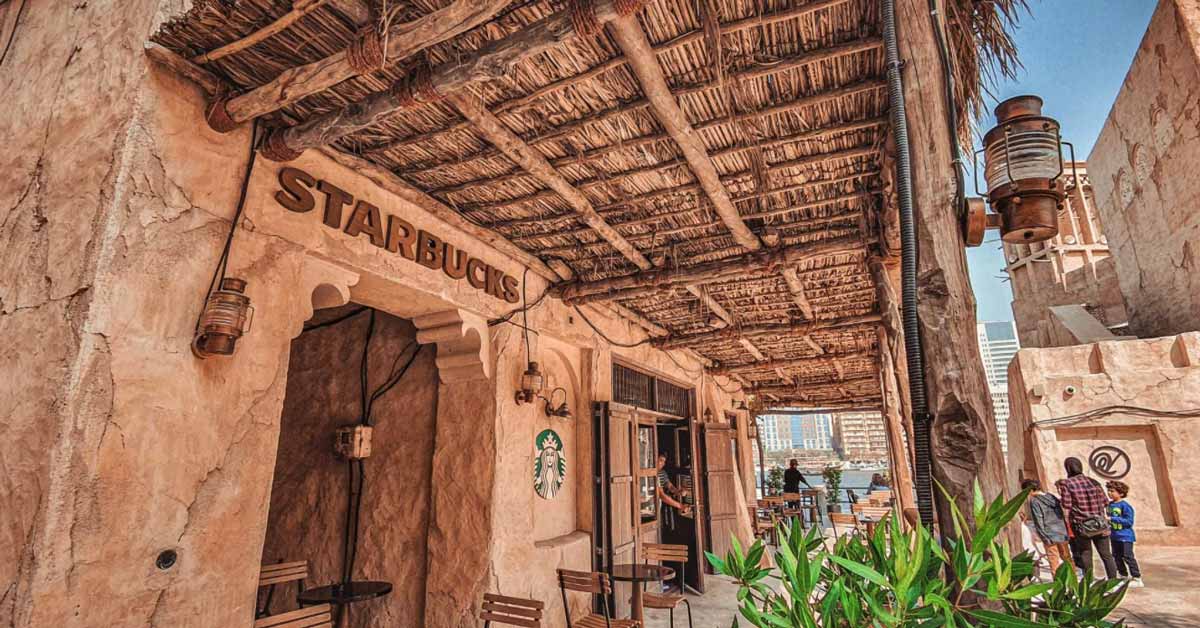
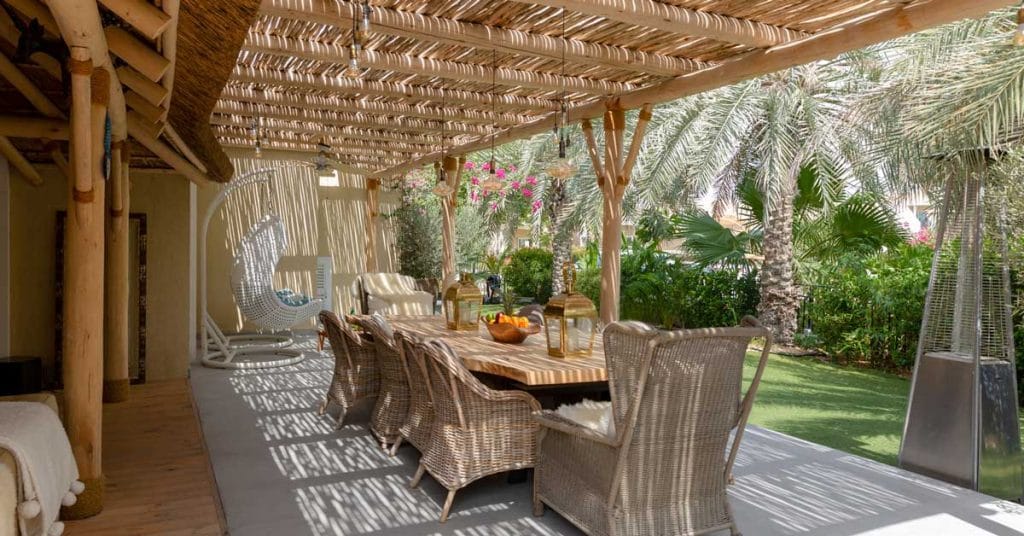
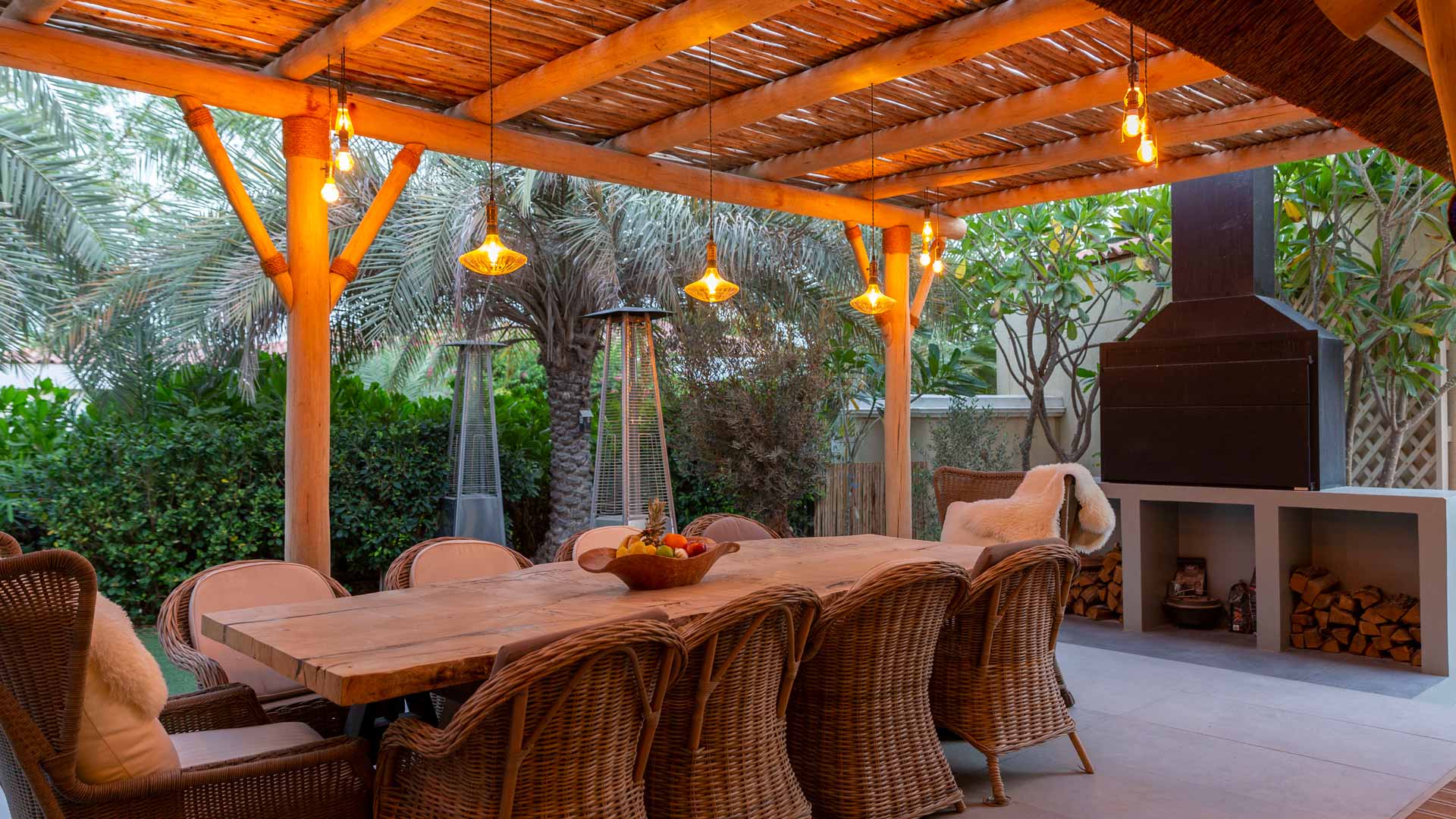
A pergola is an outdoor structure made of upright posts or columns that support an open roof of beams, rafters or slats. Unlike a fully roofed shelter, the roof is traditionally left partly open, so it casts filtered, dappled shade rather than solid cover. Pergolas are used to shade patios, define outdoor dining and lounge areas, frame a pool or garden view, and extend a home's living space outdoors.
Wooden pergolas are the most traditional and still the most popular. Timber brings natural warmth, can be shaped to almost any design, and sits comfortably in gardens, beside pools and against both modern and classic architecture.
What is a pergola used for?
A pergola earns its place in a garden in several ways at once:
- Shade: it softens strong sun over a patio, terrace or pool deck, making the space usable for more of the day.
- Defining a space: it turns an open patch of garden into an outdoor room for dining, lounging or entertaining.
- Privacy: paired with timber screens or planting, it creates a sheltered, more private corner.
- Connection: attached to the house, it bridges indoor and outdoor living.
- Value and curb appeal: a well-built pergola is a feature buyers notice and remember.
What are the main types of pergola?
Wooden pergolas come in two main types, and the right one depends on your space and how you want to use it.
Freestanding pergolas
A freestanding pergola stands on its own posts and can go anywhere: over a pool, at the end of the garden or around an outdoor kitchen. It becomes a destination in its own right, a focal point and a retreat away from the house.
Attached pergolas
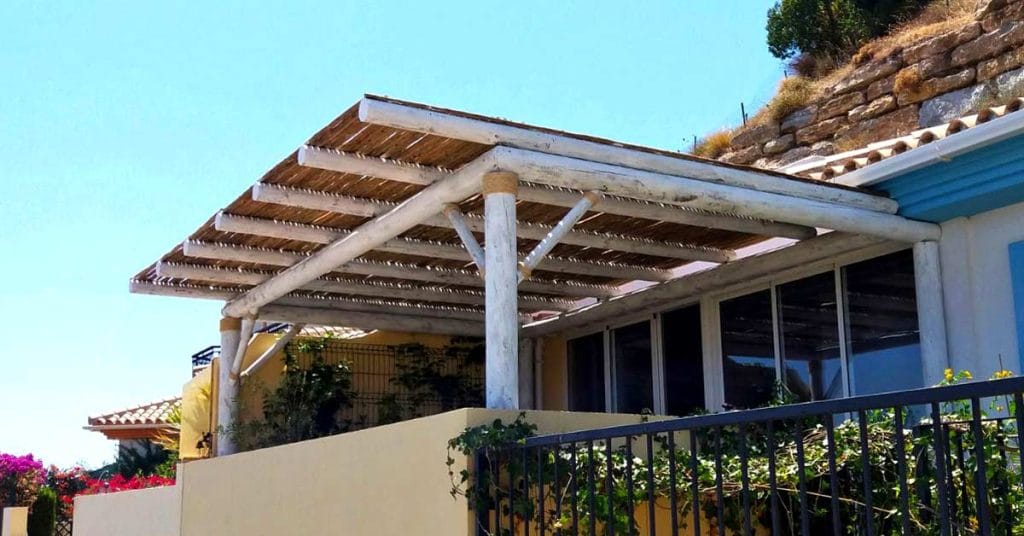
An attached pergola is fixed to an existing structure, usually the house, on one side. It extends your living space outward, shading a terrace beside the kitchen or living room and creating a seamless transition from inside to out. Attached pergolas can also cover walkways or work as a carport.
For a closer comparison, read Freestanding vs Attached Pergolas.
What is the difference between a pergola and a gazebo?
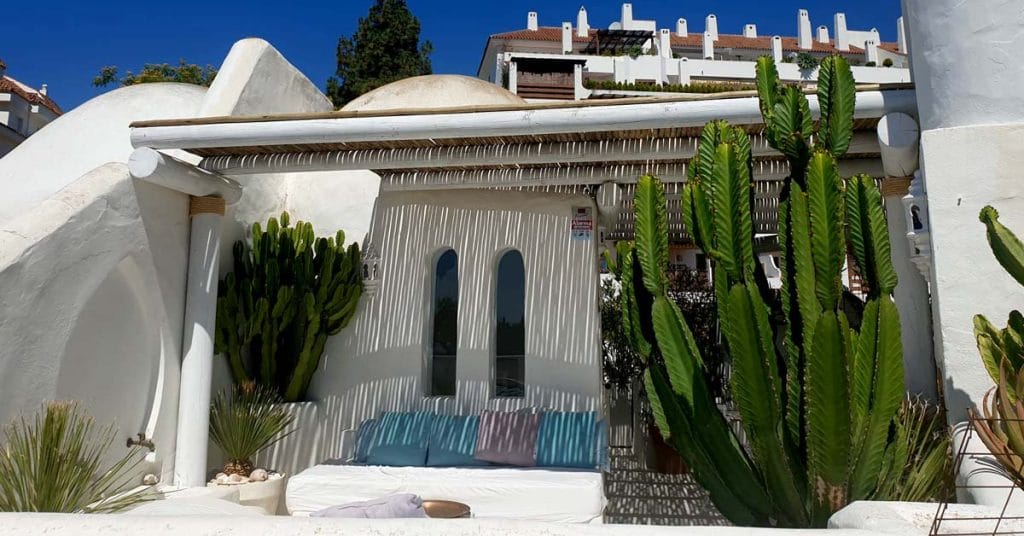
The difference is the roof. A pergola has an open or slatted roof that filters the sun, and usually a square or rectangular footprint. A gazebo has a fully covered roof, often round or many-sided, that gives solid shade and shelter from rain. In hot climates, a thatched gazebo gives the densest, coolest shade of all.
Not sure which suits you? Our guide to pergola vs thatched roof compares the two in detail.
What is a pergola with a roof called?
A pergola with a solid or closed roof is usually called a covered pergola, and some people call it a patio cover or pavilion. It keeps the pergola's open sides and timber frame but adds a roof such as closely spaced timber laths, thatch or thatch tiles for much fuller shade. In very sunny regions this is often the most practical choice. See our guide to the wooden pergola with a roof and sides for the options.
How do you choose the right size and design?
The right pergola depends on the size of your outdoor space, what you want to use it for and the style of your home. Popular design options include:
- Arched or curved roofs
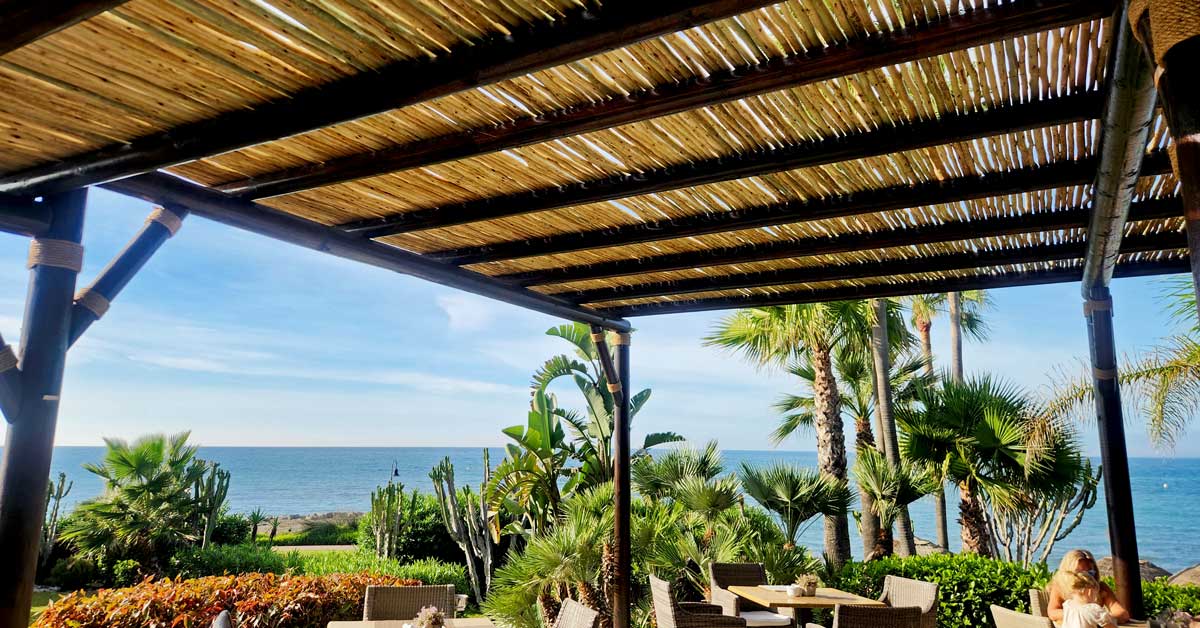
- Straight lath or herringbone-pattern roofs
- Decorative columns or posts
- Attached or built-in seating
- Privacy walls or timber screens
For style inspiration, from rustic round poles to modern square beams, read Wooden Pergola Styles.
How long does a wooden pergola last?
A well-built, properly treated wooden pergola typically lasts 10 to 20 years or more with simple care: cleaning, an occasional protective oil, and a check on fixings. Cape Reed backs its structures with a 15-year structural guarantee. Our pergola maintenance guide explains the routine.
Frequently asked questions
Can a wooden pergola be attached to a house?
Yes. A wooden pergola can be fixed to a house wall with brackets and suitable hardware. It needs careful detailing where it meets the building, so professional installation is recommended.
Do I need permission to build a pergola?
It depends on where you live. Many communities and local authorities have rules for outdoor structures, so check with your local authority or community management before you build.
Can I install a pergola myself?
Small kit pergolas can be DIY projects, but a bespoke timber pergola needs correct foundations, spans and fixings to be safe and long-lasting. A professional installer gets those right.
Is a pergola worth it?
For most homes, yes. A pergola makes outdoor space usable for more of the year, adds a strong design feature and can lift a property's appeal to buyers.
Conclusion: more than shade
A pergola is a simple idea, posts and an open roof, that changes how you live outdoors. Choose freestanding or attached, open or covered, rustic or modern, and it becomes the place where meals stretch out and evenings begin.
Thinking about a pergola for your home? Explore Cape Reed wooden pergolas or talk to our team about a design for your space.

About Cape Reed Team
Our expert team at Cape Reed Spain brings decades of experience in sustainable thatching and premium outdoor living solutions.
You Might Also Like
Discover more outdoor living inspiration
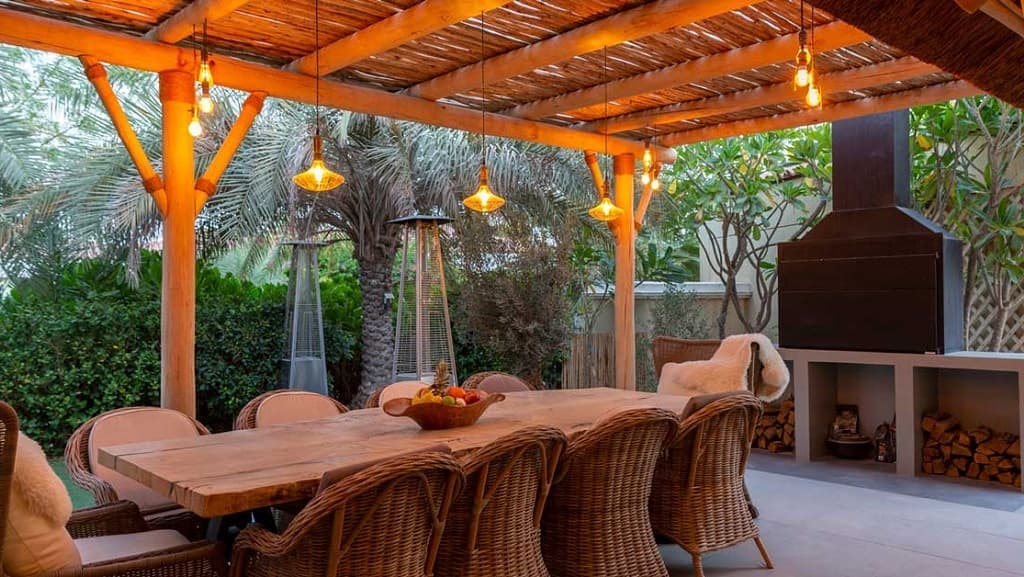
Designing the Perfect Timber Pergola: Materials, Finishes & Lifestyle Enhancements
Few outdoor structures combine beauty, functionality, and timeless appeal quite like a timber pergola. Whether you’re cr...
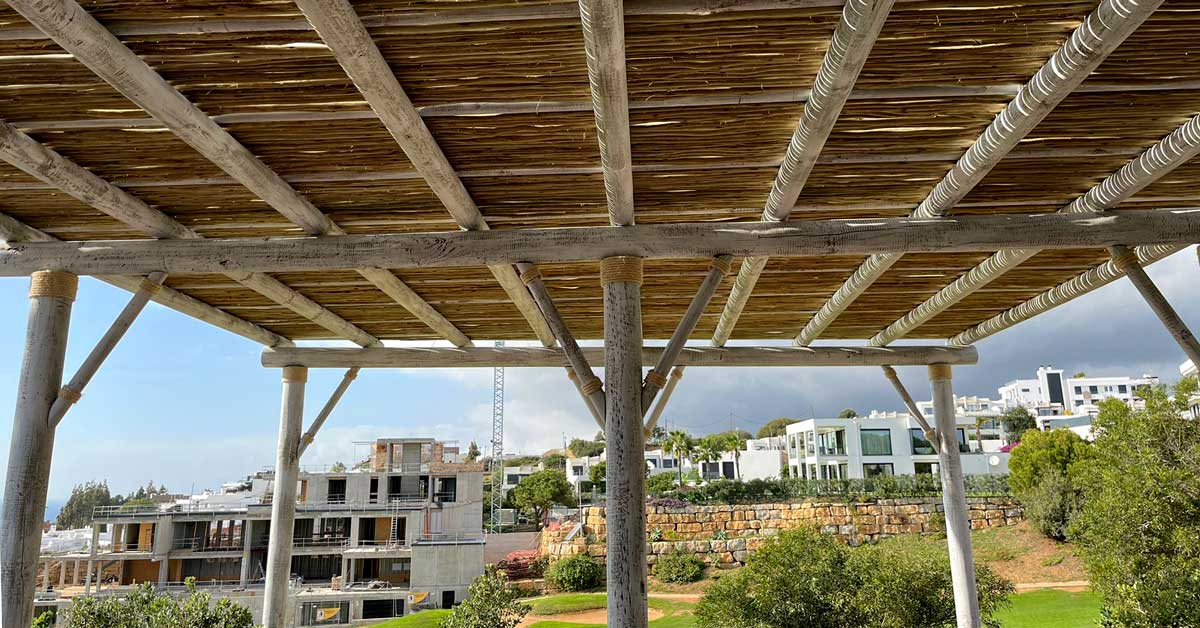
Transform Your Outdoor Space with a Stunning Pergola Design: The Ultimate Guide
Have you been searching for the perfect way to elevate your outdoor living space? Look no further than a stunning pergol...
Wooden Pergola Styles: From Rustic Round Poles to Modern Square Beams
From rustic round poles to modern square beams: the main wooden pergola styles, how natural, stained and whitewashed fin...