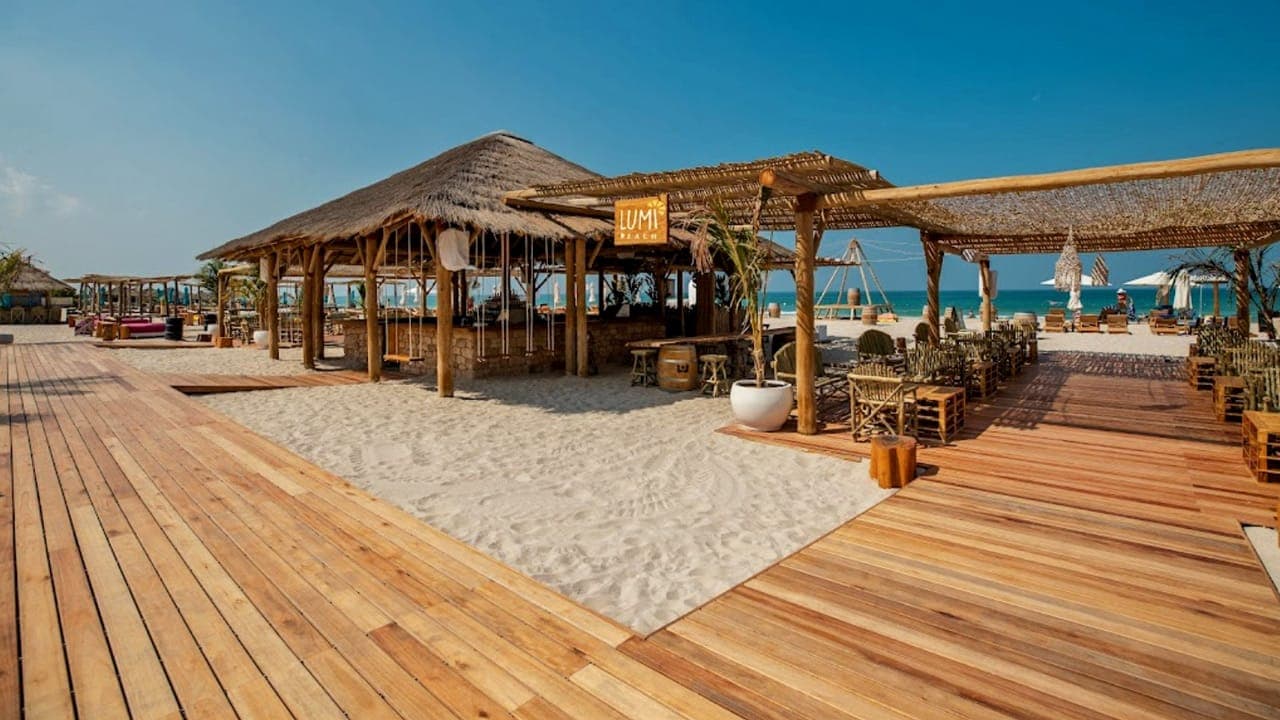
There’s a question that comes up more often than you might expect, especially among architects and developers who care deeply about what they specify: “If Cape Reed uses so many timber poles, how can you claim to be sustainable? Every pole was once a tree.”
It’s a fair question. And answering it honestly only strengthens the case.
Sustainability Was Never About Not Cutting Trees
The idea that sustainable forestry means leaving every tree standing is a common misconception. True sustainability is about renewability — ensuring that what is harvested is replenished, that ecosystems remain intact, and that the carbon cycle continues without disruption.
Timber has been a building material for thousands of years precisely because, when managed responsibly, it is one of the few construction materials that gives back as much as it takes.
What FSC Certification Actually Means
All timber used in Cape Reed structures is sourced from FSC-certified plantations. The Forest Stewardship Council sets the global standard for responsible forestry — and certification is not a rubber stamp. It means forests are replanted and continuously regenerated, biodiversity is actively protected, illegal logging is prohibited, soil and water systems are safeguarded, and everyone in the supply chain is treated ethically.
Plantation timber grown under FSC oversight operates on a managed cycle: trees are grown specifically for harvesting, replanted continuously, and the land remains forested throughout. This is fundamentally different from deforestation — and that distinction is critical.
Timber Stores Carbon. Steel and Concrete Do Not.
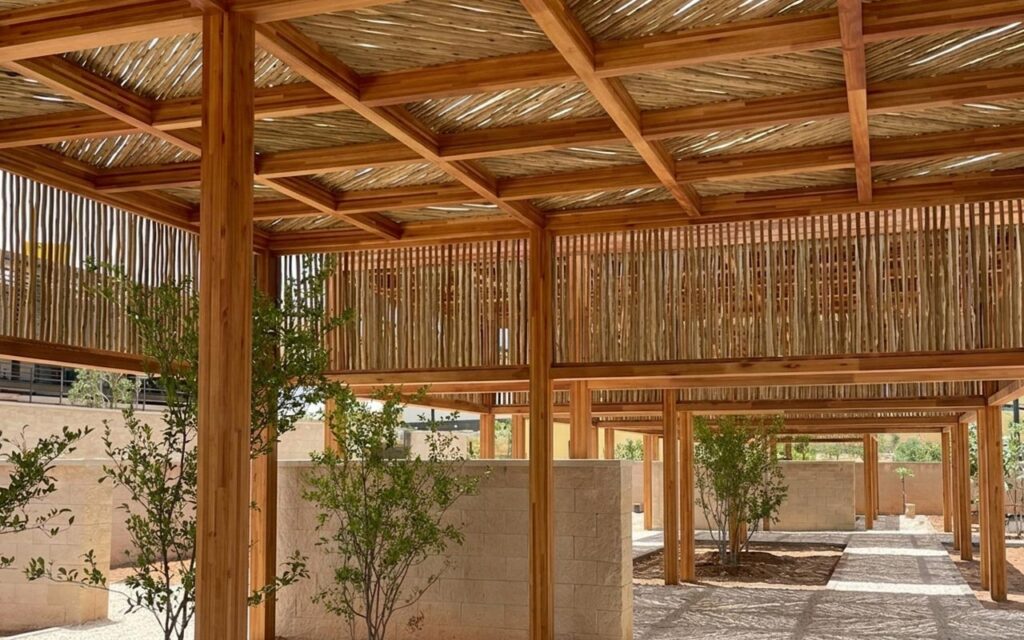
One of the most compelling arguments for timber is what happens to carbon once a tree is harvested. While growing, trees absorb CO₂ from the atmosphere. When that timber becomes a structural pole, a pergola beam, or a decking board, that carbon doesn’t disappear — it remains locked inside the wood for the life of the structure.
Compare that to steel or concrete, both of which have significant embodied carbon from manufacturing, and the environmental case for timber becomes clear. Long-lasting timber structures — built to Cape Reed’s standards — extend that carbon storage for decades.
The Whole Lifecycle Matters
Sustainability is not a single data point. It’s the sum of every decision across a product’s life. At Cape Reed, that means FSC-certified timber sourcing, responsibly harvested Cape Reed thatch, structures engineered for long service life, minimal use of synthetic materials, and construction methods with low embodied energy.
A structure that lasts 25 years without replacement is inherently more sustainable than one that needs to be rebuilt every decade — regardless of what it’s made from. Durability is part of the sustainability equation.
The Honest Answer
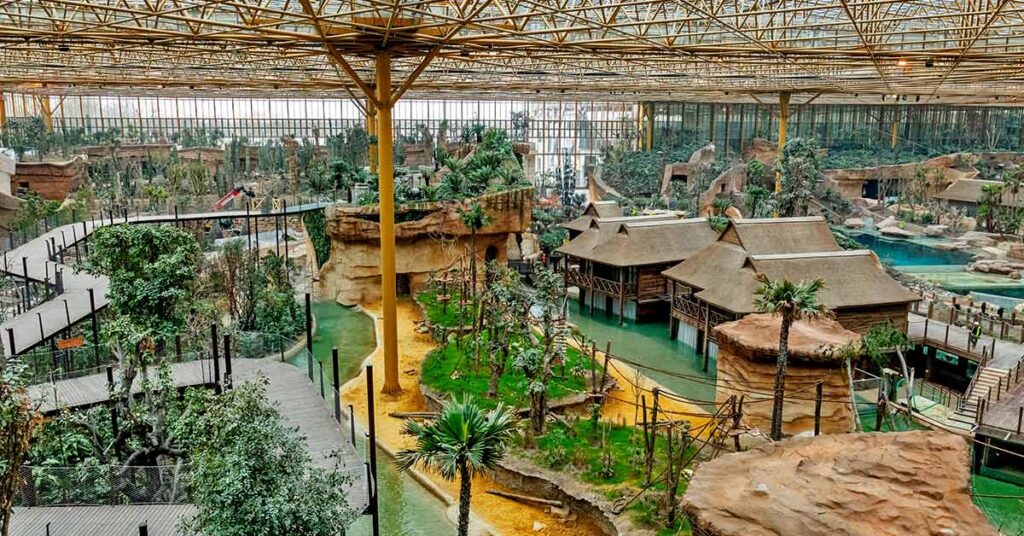
Yes — every timber pole was once a tree. Cape Reed won’t pretend otherwise. But those trees came from managed plantations, were replaced as part of a continuous regenerative cycle, and now form structures that store carbon and serve their owners for generations.
That is not environmental compromise. That is responsible material use — and it’s exactly what FSC certification is designed to verify and guarantee.
If you’re specifying materials for a luxury outdoor project and want full transparency on sourcing, get in touch with the Cape Reed team.
FAQs

About Cape Reed Team
Our expert team at Cape Reed Spain brings decades of experience in sustainable thatching and premium outdoor living solutions.
You Might Also Like
Discover more outdoor living inspiration
Sustainable Outdoor Living Trends in the Middle East
Outdoor living spaces are no longer just an afterthought. In the Middle East, they have become essential extensions of t...
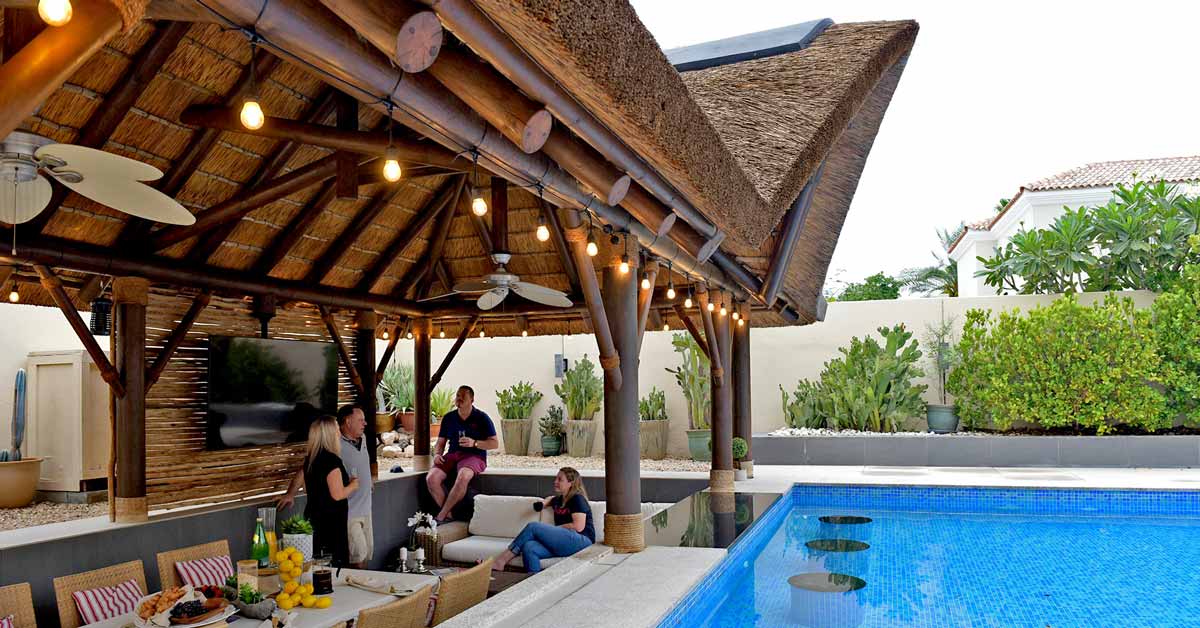
Creating Timeless, Sustainable Outdoor Spaces with Cape Reed
Are you looking to elevate your outdoor spaces with unique, sustainable, and stylish designs? Cape Reed is here to provi...
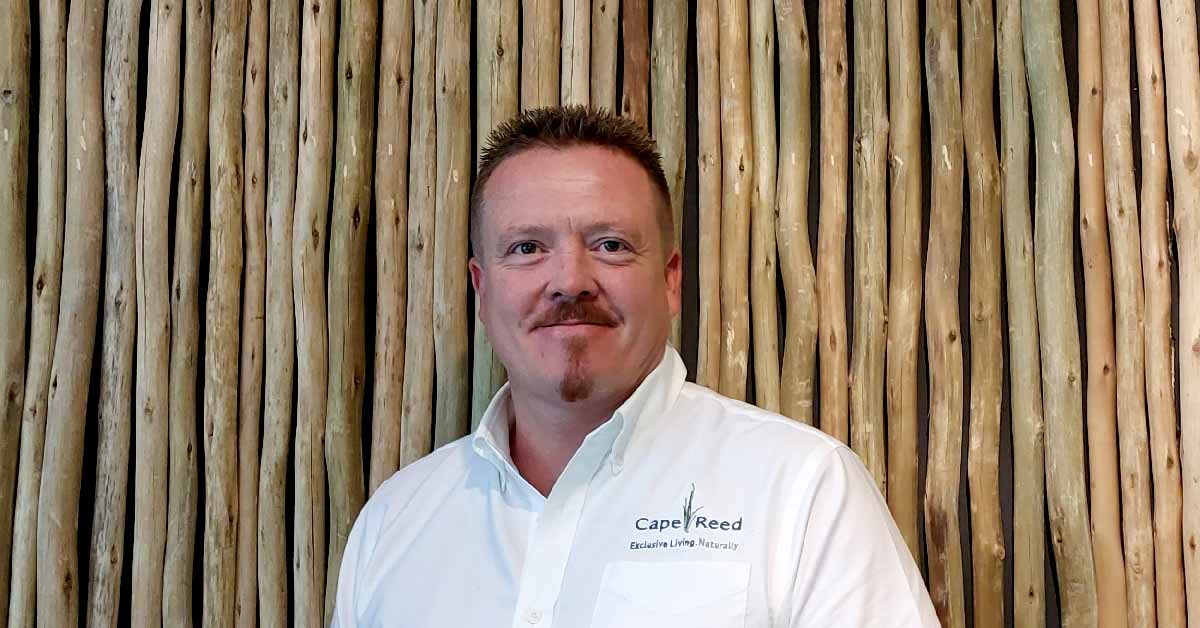
Exciting News From Managing Director André van Heerden
Hey everyone, Exciting news from Cape Reed International! As outdoor living season approaches, we’re thrilled to u...