
Thatch has long been a symbol of natural beauty and relaxed luxury — from coastal resorts to private villas and shaded garden gazebos. Today, property owners have two main choices when planning a thatched roof: natural Cape Reed thatch or synthetic thatch.
Both offer unique benefits in aesthetics, performance, and maintenance. But how do you decide which is right for your outdoor space? Here’s a detailed comparison to help you make the best choice for your environment and lifestyle.
Understanding Natural Cape Reed Thatch
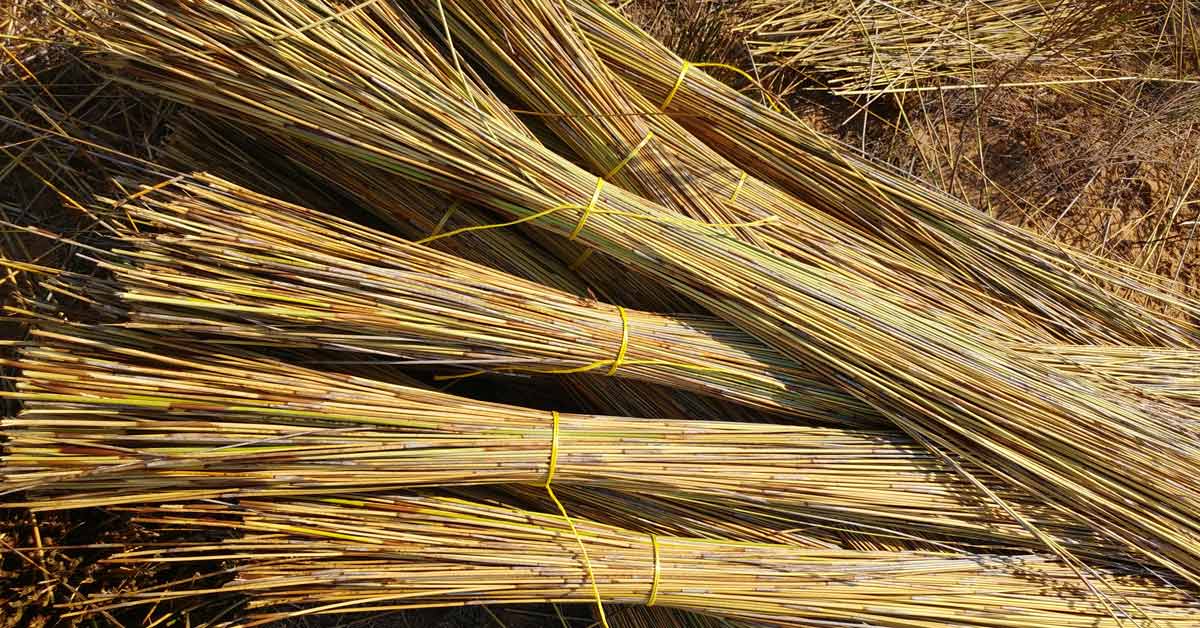
Natural Cape Reed thatch is crafted from renewable African reed, carefully harvested and installed by skilled artisans. This traditional method has been perfected over centuries and remains a hallmark of Cape Reed’s craftsmanship.
Key Benefits of Natural Thatch:
- Sustainable and eco-friendly: 100% renewable and biodegradable.
- Excellent insulation: Keeps interiors cooler in summer and warmer in winter.
- Authentic, organic beauty: Each bundle of reed adds natural texture and character.
- Custom design flexibility: Works beautifully across villas, lodges, gazebos, and beach bars.
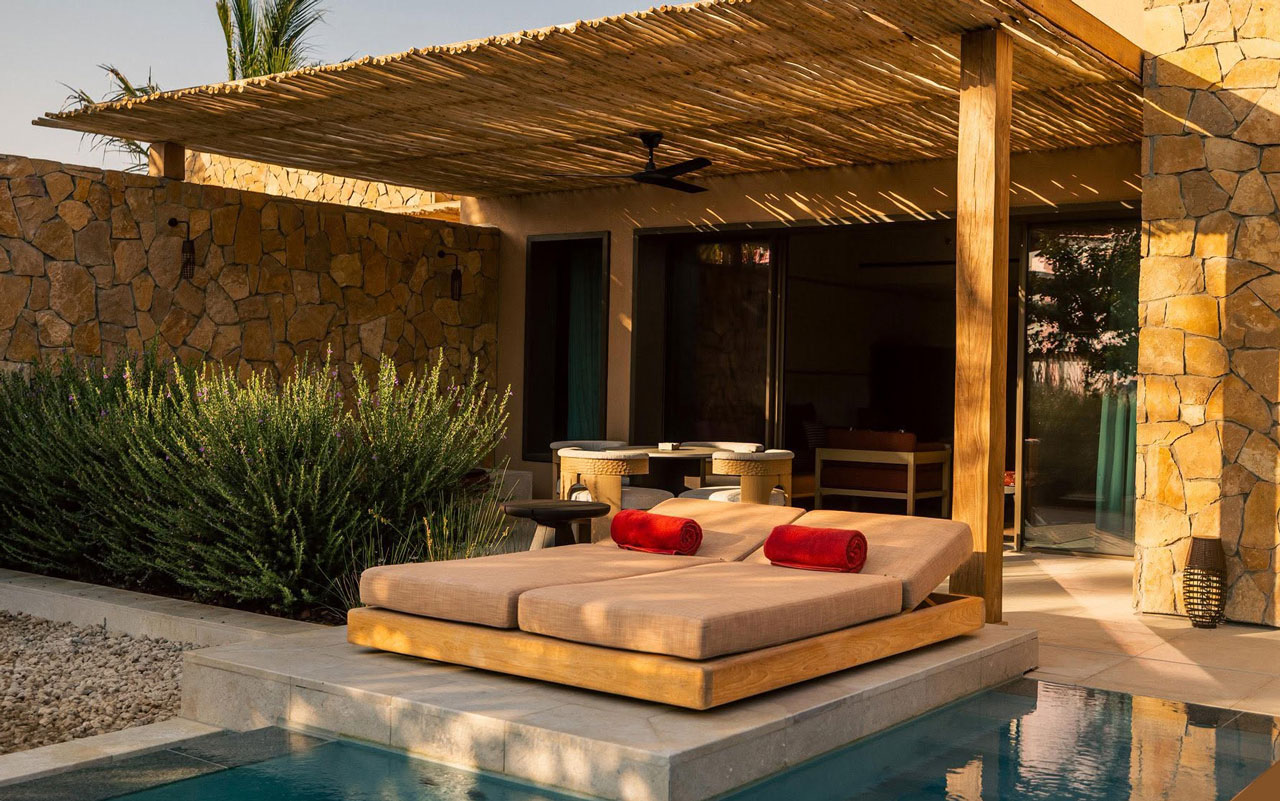
Natural thatch creates a truly organic aesthetic that complements timber structures and blends seamlessly with natural landscapes — making it ideal for resorts, eco-retreats, and private estates.

The Rise of Synthetic Thatch
Synthetic thatch has gained popularity for projects in regions with high humidity, extreme heat, or salt exposure, where long-term durability is a priority. Made from advanced polymer materials, it mimics the look of natural reed while offering minimal upkeep.
Key Benefits of Synthetic Thatch:
- Exceptional durability: Resistant to rot, insects, and harsh weather.
- Low maintenance: No rethatching or frequent treatment required.
- Fire-retardant and UV-stable: Maintains its appearance for years.
- Perfect for coastal or high-humidity environments: Especially suited for beach resorts and marine zones.
While synthetic thatch may have a higher initial cost, it often proves cost-effective over time due to reduced maintenance requirements.

Climate and Location Considerations
When selecting your thatch material, climate is key:
- Hot, dry climates (e.g., inland or desert regions): Natural thatch performs exceptionally well and provides superior insulation.
- Humid or coastal environments: Synthetic thatch offers a practical alternative, resisting moisture and salt damage.
- High-wind or heavy-rain areas: Both options can be engineered for stability and drainage when installed professionally by Cape Reed’s experienced team.
Real-World Cape Reed Projects
Cape Reed’s portfolio includes both natural and synthetic installations across the Middle East, Europe, and Africa — from exclusive beach clubs to private villas.
- Natural Thatch Example: A luxury villa in Arabian Ranches where Cape Reed thatch added organic charm and natural shading to an outdoor entertainment area.
- Synthetic Thatch Example: A beach resort in the Caribbean using synthetic thatch for long-lasting coastal protection and minimal maintenance.
Each project is fully customized to balance aesthetics, functionality, and longevity.

Which One Is Right for You?
Choosing between natural and synthetic thatch depends on:
- Your project location (coastal vs inland)
- Design preference (authentic texture vs modern consistency)
- Maintenance expectations (hands-on vs low upkeep)
- Budget and lifecycle goals
Cape Reed’s design specialists can help you evaluate these factors and recommend the most suitable thatching solution for your space.
Conclusion: Invest in Beauty That Lasts
Whether you prefer the rustic warmth of natural Cape Reed thatch or the worry-free resilience of synthetic thatch, both options deliver timeless elegance and sustainable performance when installed by professionals.
At Cape Reed, our expert team manages everything — from design and sourcing to installation and aftercare — ensuring your thatched roof stands the test of time.
👉 Ready to bring your vision to life? Contact us today for a free consultation and discover the ideal thatching solution for your outdoor project.
FAQs About Natural and Synthetic Thatch

About Cape Reed Team
Our expert team at Cape Reed Spain brings decades of experience in sustainable thatching and premium outdoor living solutions.
You Might Also Like
Discover more outdoor living inspiration
What Is Thatch Roofing? Materials, Types & Why It’s Still Popular
What is thatch roofing? Thatch roofing is a roof covering made from dry vegetation — traditionally reed, straw, or palm ...
Cape Reed in Saudi Arabia: The Projects Redefining Luxury Outdoor Design
Saudi Arabia is in the middle of one of the most ambitious national transformation programmes in modern history. Vision ...

Luxury Outdoor Living in the UAE: The Complete Villa Garden Guide
There is a particular kind of satisfaction that comes from stepping out of your back door into a space that genuinely ta...