
The outdoor space of a luxury hotel or resort is not a finishing touch. It is a defining feature — the element that guests photograph, share, and return for. A beautifully designed pool deck, a thatched beach cabana, a shaded terrace overlooking the sea: these are the moments that create brand identity, drive repeat bookings, and justify premium room rates.
For hospitality developers and resort architects, the specification of outdoor structures is a decision that carries significant weight — in terms of aesthetics, guest experience, operational longevity, safety compliance, and sustainability credentials. It is also a decision where choosing the wrong partner can be costly in every sense of the word.
Cape Reed International has been designing and delivering premium thatched and timber outdoor structures for some of the world’s most recognised hospitality brands for over two decades. This guide is written for the developers, architects, procurement managers, and project directors who are evaluating their options — and who want to understand what a world-class specification actually looks like.

Why thatch works for hospitality environments
There is a reason that the most celebrated beach resorts, boutique hotels, and outdoor dining destinations around the world so frequently turn to thatch. It is not simply aesthetic — though the aesthetic is undeniably powerful. Thatch delivers a set of performance characteristics that make it uniquely suited to hospitality environments.
Thermal insulation. A professionally constructed thatch roof provides exceptional natural insulation. Guests seated under a thatched structure experience significantly cooler ambient temperatures than they would under a metal, polycarbonate, or concrete equivalent. In high-heat markets like the UAE, Saudi Arabia, and coastal Spain, this is not a luxury — it is a prerequisite for usability.
Acoustic comfort. Thatch absorbs sound rather than amplifying it, creating a calm and intimate atmosphere that enhances guest experience. Contrast this with metal or hard-surface roofing, which amplifies rain, wind, and ambient noise.
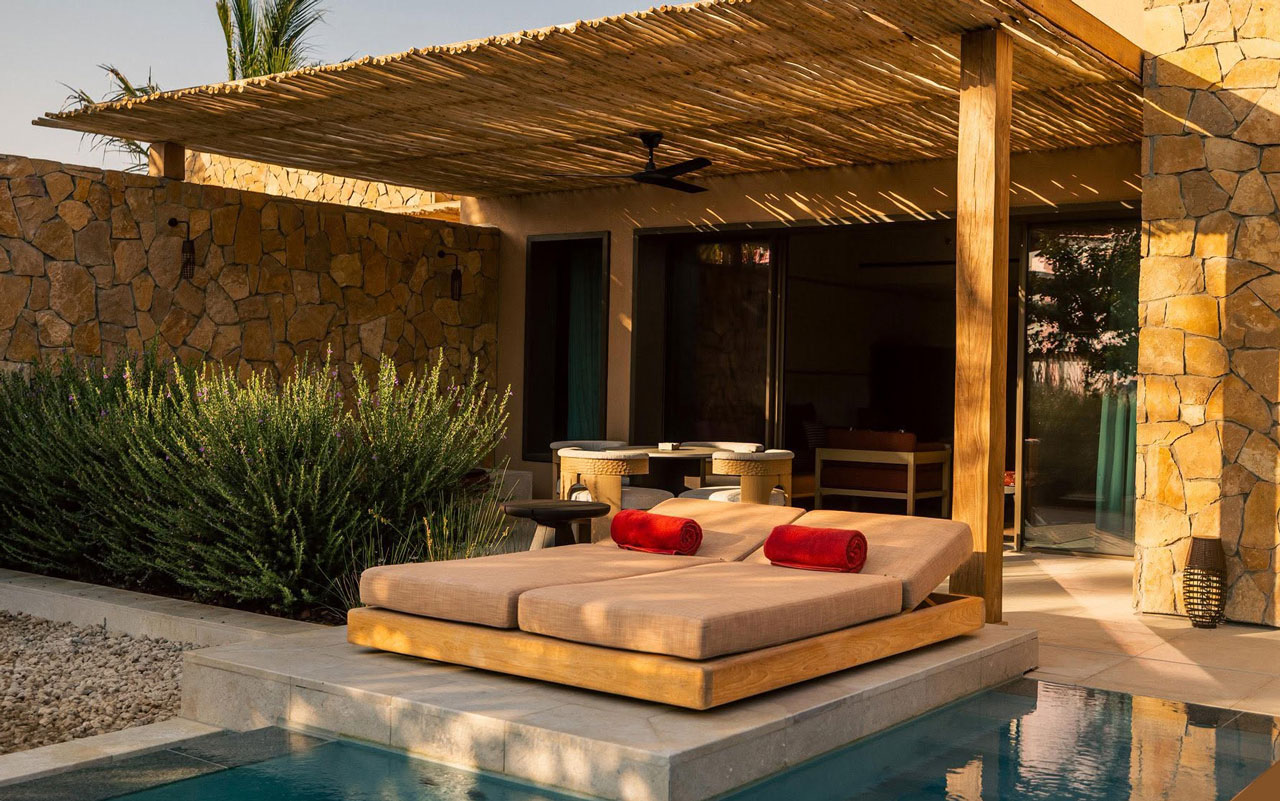
Natural beauty and brand differentiation. In a hospitality market where every development is competing for attention, thatch offers something that manufactured materials simply cannot replicate: genuine natural character. No two thatched structures look identical. The organic texture, warm colour, and crafted quality communicate premium positioning in a way that resonates immediately with guests.
Sustainability credentials. Cape reed (thamnochortus insignis) is a rapidly renewable natural material. A properly specified thatch roof has a very low embodied energy compared to synthetic or industrial roofing alternatives. For hospitality brands building ESG narratives and pursuing sustainability certifications, natural thatch is a material that contributes positively to that story.
Material options: matching the specification to the project
Not every hospitality project requires the same material approach. Cape Reed works with developers and architects to identify the right solution for each environment, budget, and operational requirement.
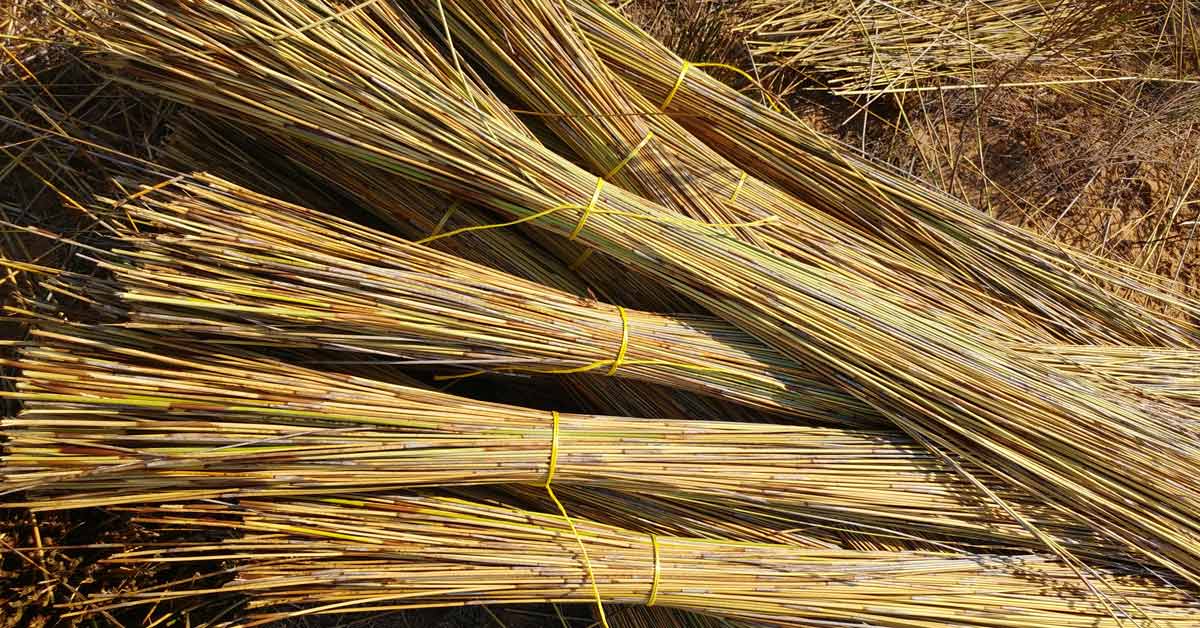
Natural thatch is Cape Reed’s flagship offering and the material our company was built on. Sourced from the Elim region of the Western Cape in South Africa — one of the world’s most respected sources of premium reed — our natural thatch delivers the authentic character, insulation performance, and longevity that discerning hospitality clients expect. Natural thatch is ideal for resort pavilions, pool bars, beach cabanas, thatched gazebos, and signature dining structures where visual impact and natural authenticity are paramount.
Thatch tiles offer the aesthetic of natural thatch with a more standardised, lower-maintenance profile. Cape Reed’s thatch tiles are ideal for larger roofing areas where consistency of coverage is important, or for developments where maintenance access is limited. They are particularly well-suited to lodges, boutique hotels, and residential resort units.
Synthetic thatch replicates the visual character of natural reed while offering maximum durability and fire resistance. It requires minimal maintenance, is unaffected by moisture or UV degradation, and is available with certifiable fire ratings — making it a strong choice for commercial environments where operational longevity and insurance requirements are primary considerations. Cape Reed’s synthetic thatch solutions are manufactured to the highest standards and are indistinguishable from natural thatch to the untrained eye.
Certified eucalyptus timber is Cape Reed’s primary structural material across all markets. FSC certification means the timber is sourced from responsibly managed forests — a requirement increasingly specified by international hotel brands and resort developers with sustainability commitments. Cape Reed’s timber structures include pergolas, fencing, shading systems, beach cabanas, decking, balustrades, bridges, and bespoke architectural elements.
Fire safety and compliance: what every hospitality developer must address
Fire safety is non-negotiable in commercial hospitality environments. It is the first question that insurers ask, the first point that local authorities examine, and a fundamental duty of care to guests and staff.
The perception that thatched roofs are inherently fire-vulnerable is one that Cape Reed has spent two decades helping clients understand accurately. A professionally constructed thatch roof built to modern standards is not the fire hazard that many assume. However, for hospitality environments — where compliance, insurance, and reputational stakes are highest — professional fire-retardant treatment is essential.
Cape Reed Fireshield is our proprietary fire-retardant treatment system, formulated specifically for natural thatch and timber. Applied by Cape Reed’s trained specialists, Fireshield penetrates the material at a fibre level, dramatically reducing the ignition point and flame-spread rate of treated surfaces. Critically, it does so without any visible change to the material’s appearance.
All Cape Reed Fireshield products are rigorously tested and certified to meet international fire safety standards, providing the documented compliance that insurers and local authorities require. For hospitality clients operating across multiple jurisdictions — the UAE, Saudi Arabia, Spain, Belgium, Portugal, South Africa — this certification provides consistent, verifiable assurance across markets.
Fireshield is available in two formulations: a dedicated Thatch Fire Retardant for natural reed, and a Timber Fire Retardant for all wooden structural elements. For full outdoor developments combining thatch and timber, both treatments are applied as standard.

Turnkey delivery: from concept to completion
One of the most common sources of frustration for hospitality developers working with outdoor structure specialists is fragmented delivery. Separate suppliers for design, materials, and construction; unclear accountability when something goes wrong; delays caused by poor coordination between trades.
Cape Reed operates as a fully integrated turnkey partner. Our EPC (Engineering, Procurement, and Construction) model means we take full responsibility for every stage of the project:
Consultation and design. Our team works directly with the developer’s architect and design team to develop a specification that meets the project’s aesthetic brief, budget parameters, structural requirements, and compliance obligations.
Material sourcing and procurement. Cape Reed sources and procures all materials directly — thatch, timber, fixings, and treatment products — through our established supply chain. No third-party procurement delays.
Construction and installation. Our experienced installation teams operate across the UAE, Saudi Arabia, Spain, Portugal, Belgium, and South Africa. We deploy the right team for the right market, with supervisory oversight from our senior project management team throughout.
Quality control and handover. Every Cape Reed project is inspected against our internal quality standards before handover. We provide full documentation including material certificates, Fireshield treatment records, and maintenance guidelines.
For hotel and resort developers managing complex multi-trade projects, having one accountable partner for all outdoor thatched and timber structures significantly simplifies project management and reduces risk.

Cape Reed’s hospitality credentials
Cape Reed International has delivered outdoor structures for some of the most prestigious hospitality brands in the world. Our portfolio includes:
Atlantis The Palm, Dubai — one of the most recognised resort destinations in the world, where Cape Reed’s structures contribute to the iconic outdoor environment that millions of guests experience each year.
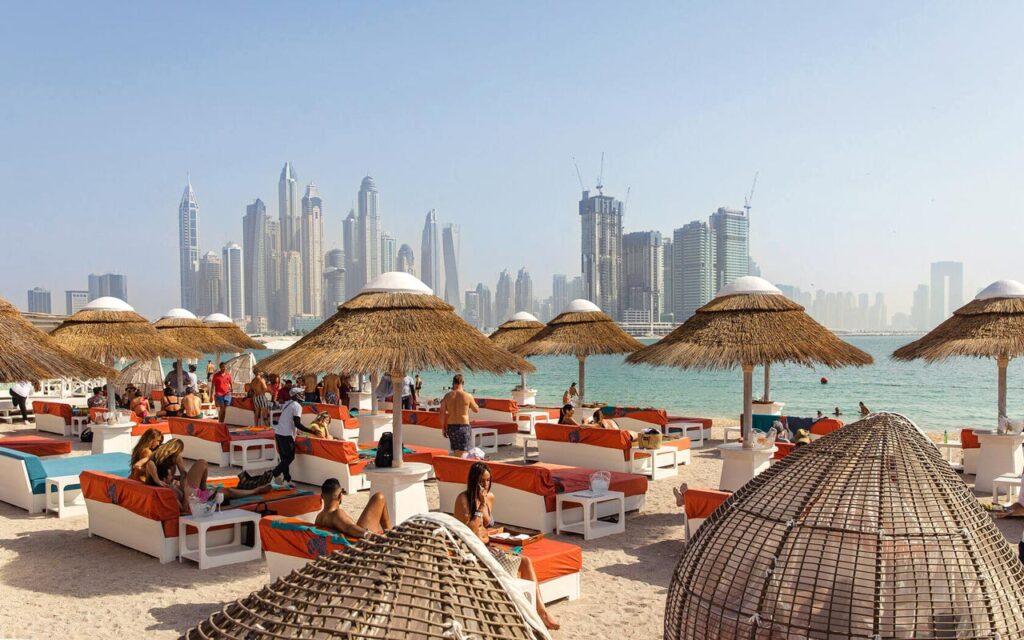
Sofitel The Palm Jumeirah, Dubai — a five-star resort where natural thatched structures create the signature poolside and beachfront atmosphere.
Six Senses AMAALA, Saudi Arabia — a landmark Red Sea Global development and one of the flagship projects of Saudi Vision 2030, where Cape Reed delivered FSC-certified eucalyptus timber pergolas, fencing, shading structures, and beach cabanas across the resort.
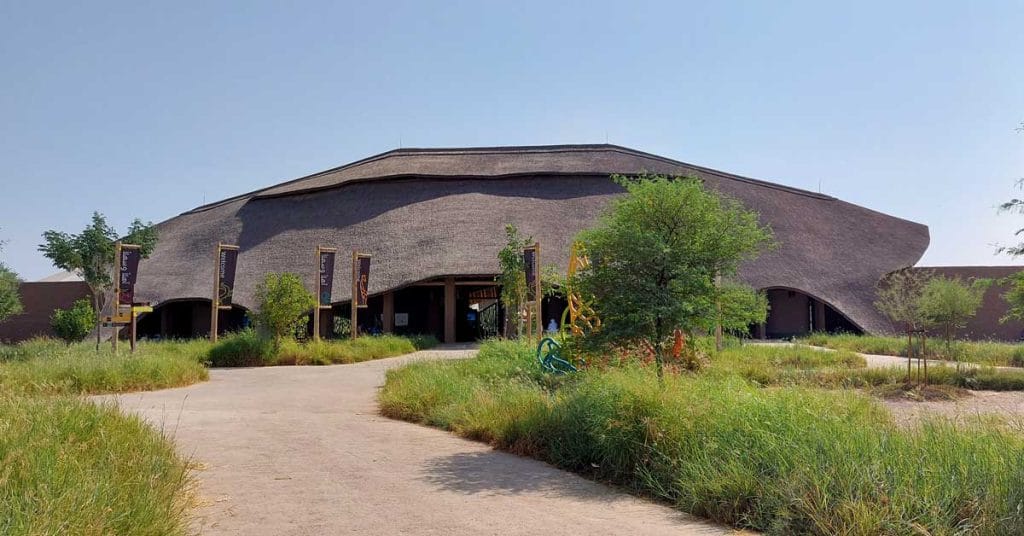
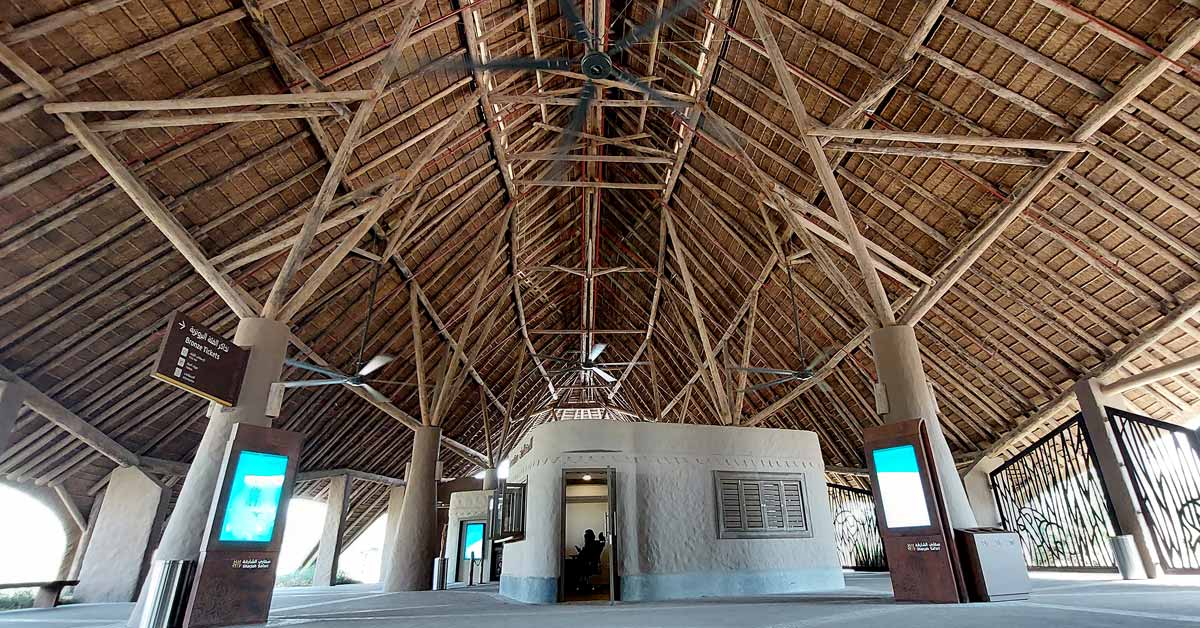
Sharjah Safari, UAE — one of the largest safari destinations outside of Africa, where Cape Reed constructed all thatched roofs and timber structures across the development, bringing authentic natural character to a world-class wildlife experience.
JNcQUOI Beach Club, Portugal — a flagship beach club development where Cape Reed’s thatched and timber structures define the guest experience.
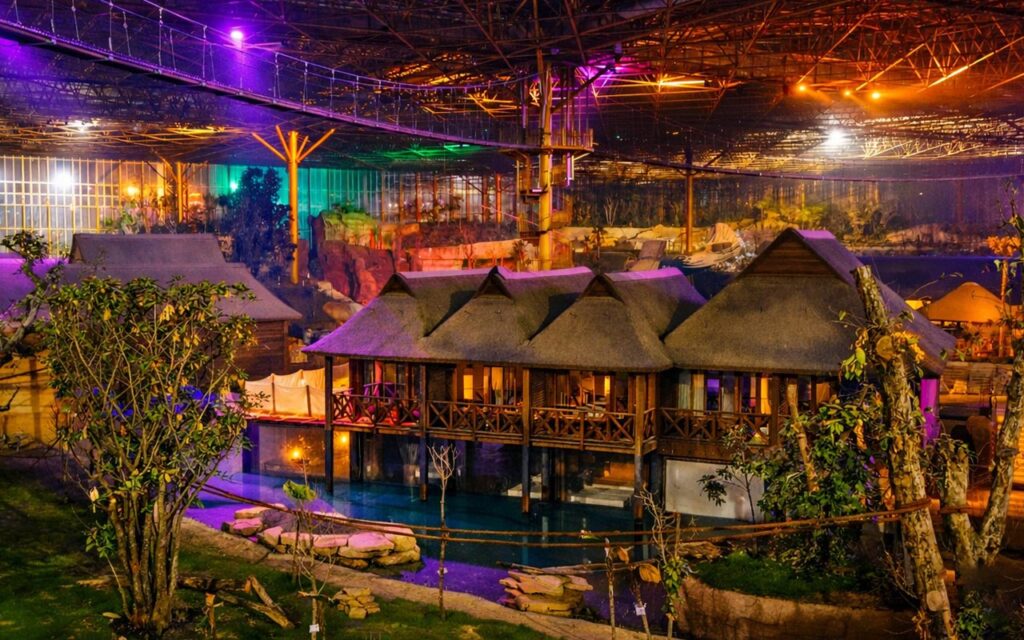
Pairi Daiza Edenya, Belgium — Cape Reed’s largest European commercial project at 2,300m², demonstrating our capability to deliver at significant scale across European markets.
Each of these projects was delivered to the highest international standards of material quality, structural engineering, fire compliance, and aesthetic craftsmanship.
Starting your commercial project with Cape Reed
If you are in the early stages of planning a hospitality development, or evaluating suppliers for an upcoming outdoor structure specification, the Cape Reed team is ready to discuss your project in detail.
We work with developers and architects at every stage of the process — from initial concept and material selection through to full turnkey delivery. Whether your project is a single beach cabana or a resort-wide outdoor structures package, we bring the same level of expertise, accountability, and craftsmanship to every build.
View our commercial project portfolio →
Contact our team to discuss your project →
Exclusive Living. Naturally.

About Cape Reed Team
Our expert team at Cape Reed Spain brings decades of experience in sustainable thatching and premium outdoor living solutions.
You Might Also Like
Discover more outdoor living inspiration
From Brief to Build: How Cape Reed Manages Large-Scale Outdoor Construction Projects
Behind every completed Cape Reed project — whether it is a resort-wide outdoor structures package in Saudi Arabia or a b...
What Is Thatch Roofing? Materials, Types & Why It’s Still Popular
What is thatch roofing? Thatch roofing is a roof covering made from dry vegetation — traditionally reed, straw, or palm ...
Cape Reed in Saudi Arabia: The Projects Redefining Luxury Outdoor Design
Saudi Arabia is in the middle of one of the most ambitious national transformation programmes in modern history. Vision ...